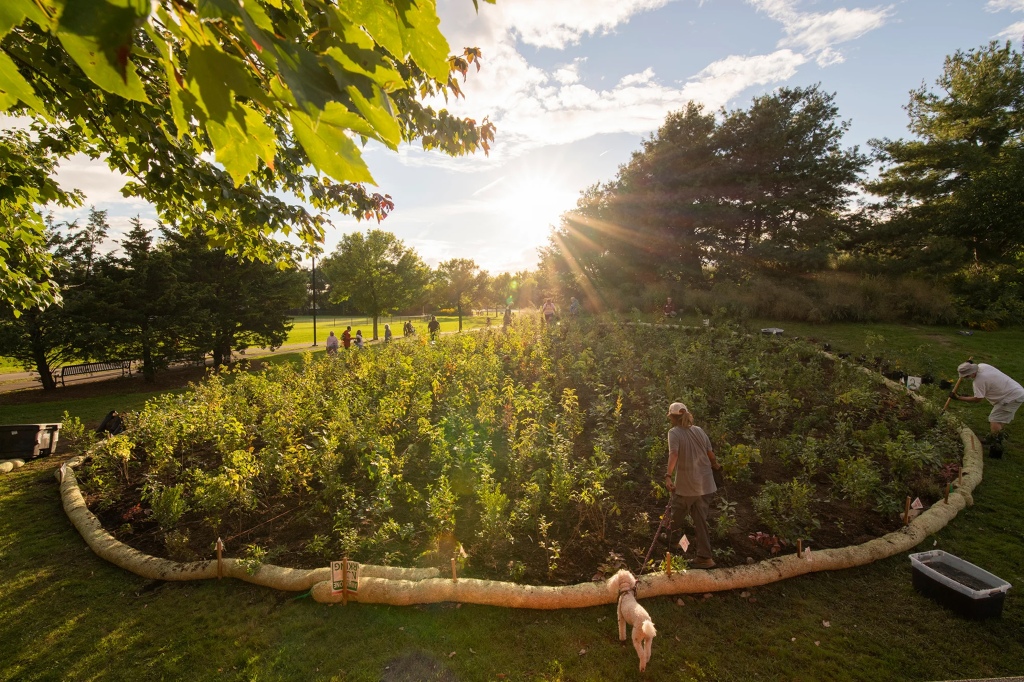
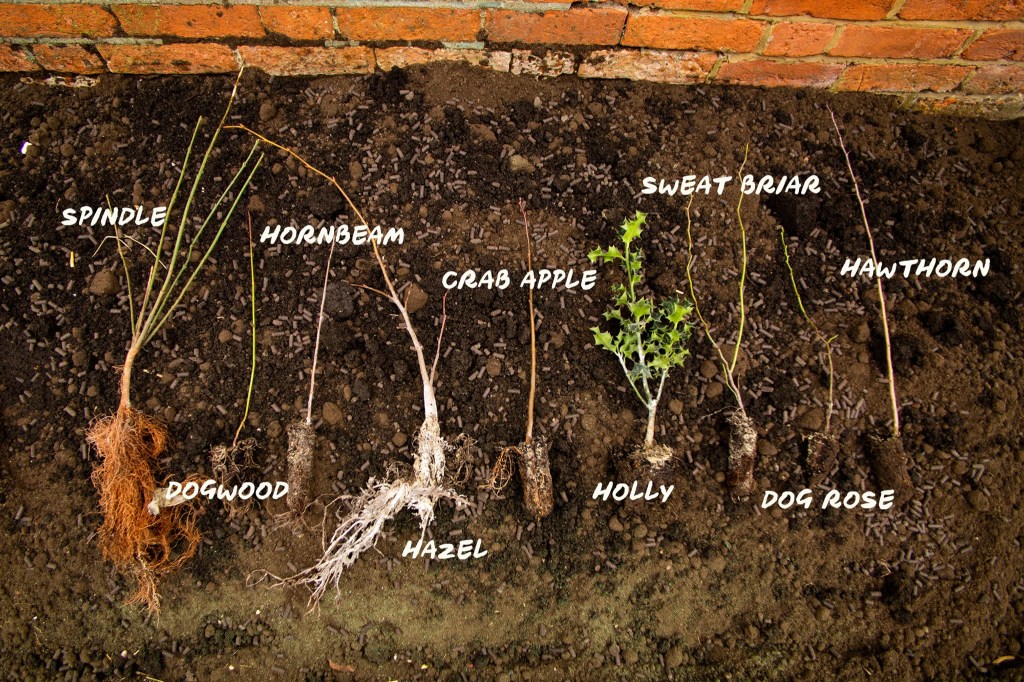
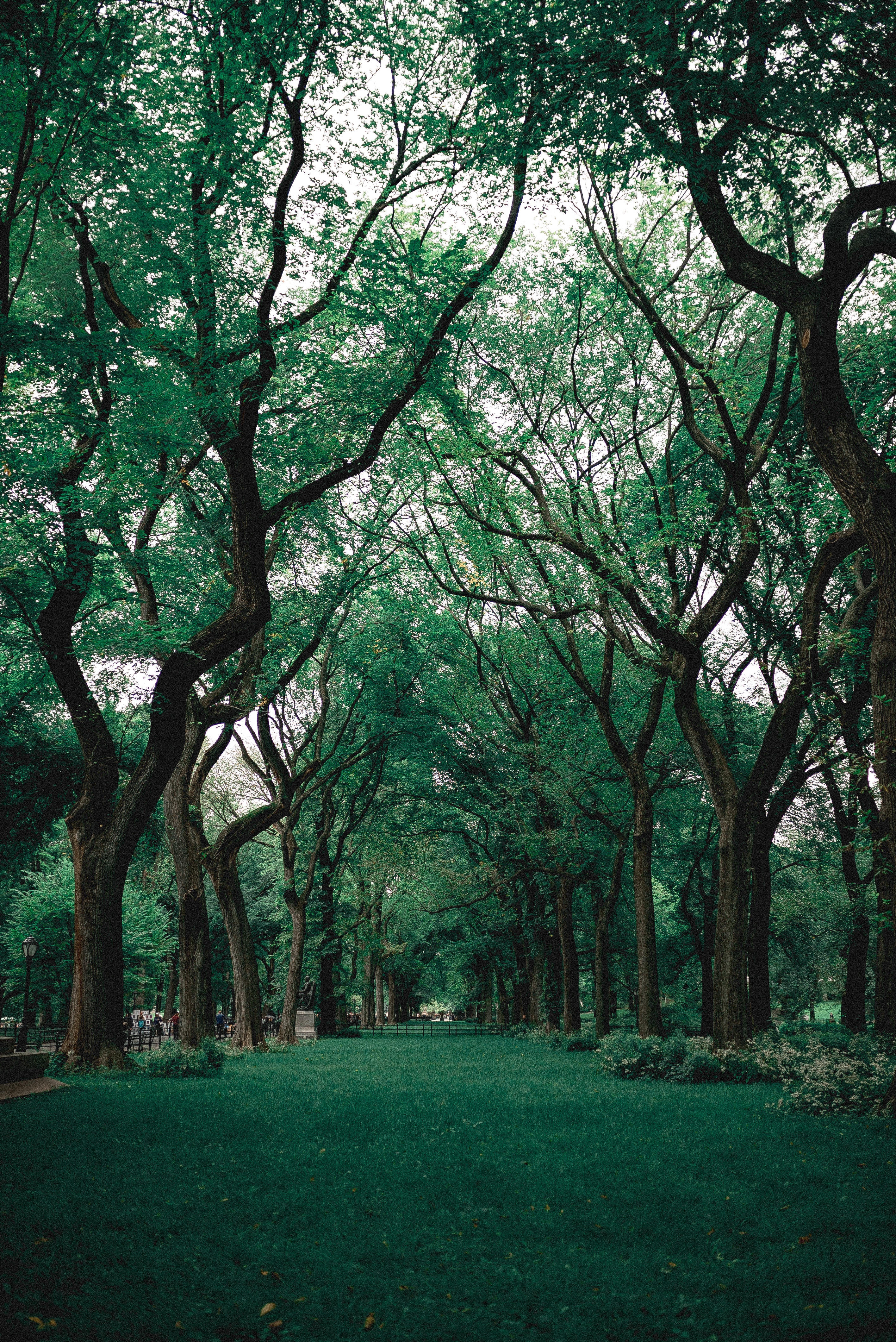
Miyawaki forests are named after the Japanese botanist Akira Miyawaki. They represent an alternative approach to afforestation and biodiversity restoration. The method emphasizes the creation of dense, native forests, which can thrive in a variety of environments, including urban areas. Unlike traditional forestry methods, the Miyawaki technique focuses on planting a huge variety of native species close together, which accelerates growth and creates a self-sustaining ecosystem in a remarkably short period.
The origins of the Miyawaki method lie in Akira Miyawaki’s extensive research on natural vegetation. He observed that native forests are more resilient and adaptable to local conditions compared to single-species plantations. This led to his advocating for planting indigenous trees and shrubs in dense clusters, mimicking natural forest conditions. The result is a complex, multi-layered ecosystem that supports a diverse range of flora and fauna.

One of the key benefits of Miyawaki forests is their rapid growth and development. These forests can grow up to 10 times faster than conventional plantations, creating a mature ecosystem in just 20-30 years. This speed is a significant advantage in urban environments where space and time are limited, and the need for green spaces is immediate.
Miyawaki forests also excel in carbon sequestration. Due to their high density and diversity, these forests can absorb more carbon dioxide compared to traditional forests. This makes them a valuable tool in the fight against climate change, especially in urban areas where carbon emissions are high. Additionally, these forests contribute to the improvement of air quality and reduce the heat island effect, making them beneficial for urban residents.
Another important aspect of the Miyawaki method is its adaptability. These forests can be established in various environments, from temperate to tropical regions. They can thrive on degraded land, making them ideal for restoring ecosystems that have been damaged by industrial activities or urbanization. This adaptability extends to the variety of plant species that can be used, allowing for a tailored approach to each specific location.
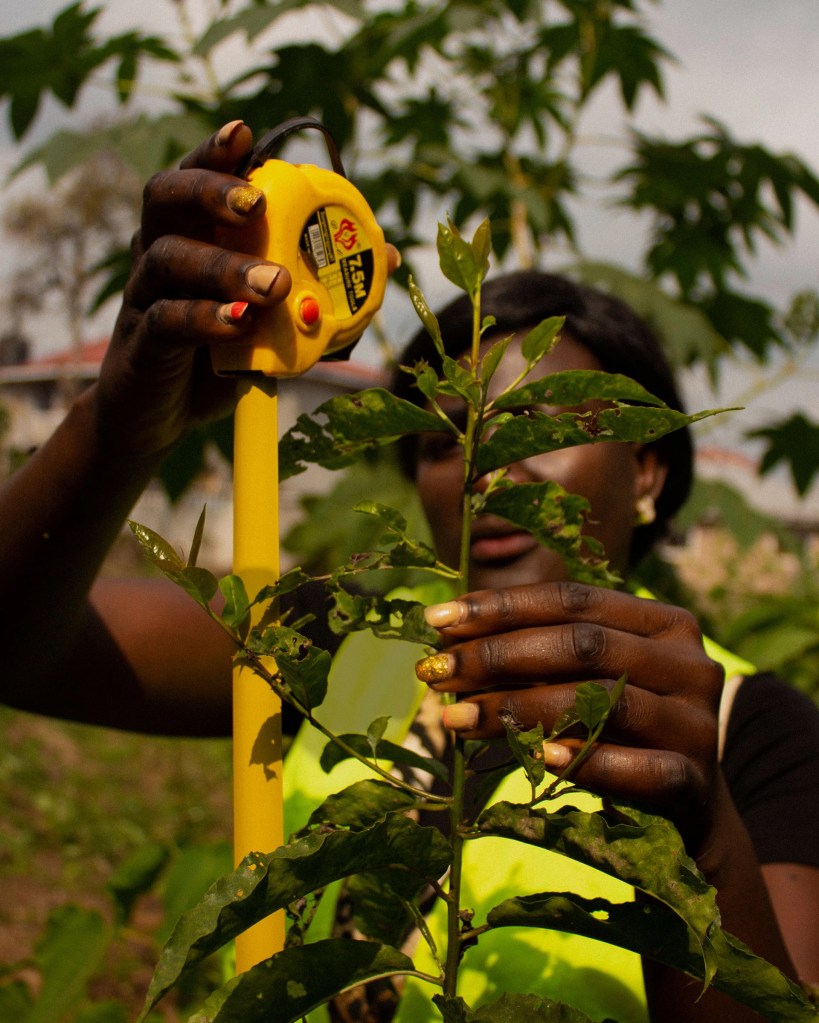
The implementation of Miyawaki forests also fosters community engagement and environmental awareness. Planting and maintaining these forests often involves local communities, schools, and organizations, providing educational opportunities and fostering a sense of ownership and responsibility towards the environment. This community involvement is crucial for the long-term success and preservation of these urban green spaces.
Miyawaki forests represent a potent and versatile tool for environmental restoration and urban greening. Their ability to create dense, diverse, and rapidly growing ecosystems offers a sustainable solution to environmental challenges, particularly in densely populated urban areas. As the world grapples with issues like climate change and biodiversity loss, the Miyawaki method provides a way forward in Greening our planet and Urban Areas.
You can find some good videos on YouTube
Other Links
https://www.sugiproject.com/blog/the-miyawaki-method-step-by-step


A Beginner’s Guide to Miyawaki Method of Tree Plantation
https://forestcreators.com/blog/a-beginners-guide-to-miyawaki-method-of-tree-plantation/
Urban Forests: Restoring Nature Through the Miyawaki Method of Afforestation
https://www.nippon.com/en/in-depth/d00789/
Miyawaki forest Wikipedia


 Our Wonderful Green Future
Leave a comment