
Delivering better outcomes for Indigenous people and developing clean energy, in tandem, seems like the way to go for me. Of course far better “ownership” arrangements are needed and much more power and decision making needs to be devolved to those who live on the land, but this absolutely is a step in the right direction.
“Climate Action without Social Justice is just gardening!”
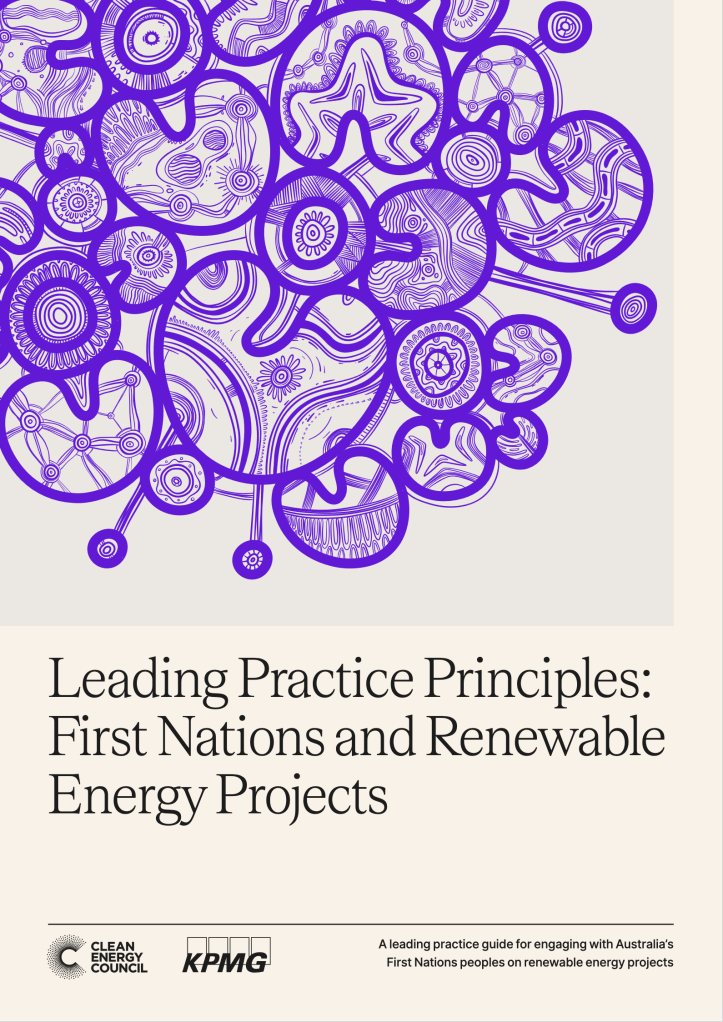
This is the first ever comprehensive national guide on meaningful engagement, consent, participation and benefit-sharing with First Nations people on renewable energy projects, in Australia.
This new guide sets out expectations for industry and details key considerations for engagement at each stage of a project’s lifecycle.
Co-authored by the Clean Energy Council and Leading Principles: First Nations and Renewable Energy Projects it puts into operation all ten of the First Nations Clean Energy Network’s Aboriginal and Torres Strait Islander Best Practice Principles for Clean Energy Projects.
Clean Energy Council Chief Executive Kane Thornton said the intention of the guide is to ensure respect for the rights of First Nations peoples and improved outcomes for communities.
“Australia’s clean energy sector has identified the need for stronger engagement and relationships with First Nations peoples,” Thornton said.
“We are proud to partner with the First Nations Clean Energy Network to forge a path ahead for Australia’s clean energy industry to work hand in hand with First Nations communities.
“With proper practices in place, the essential work of the energy transition will not only accelerate Australia towards achieving its targets but provide First Nations Australians with an opportunity to be heard and play a crucial role in a defining economic shift for the country.”
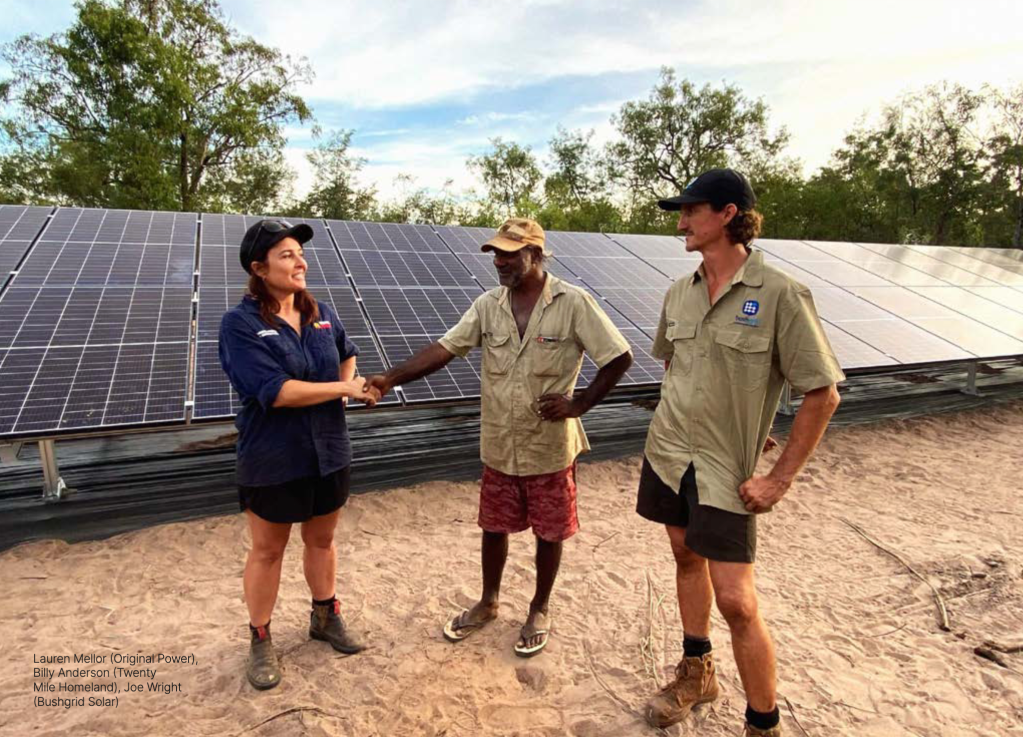
First Nations Clean Energy Network co-chair, Karrina Nolan said First Nations are central to the Australian Government’s plan for the renewables roll out.
“The guide provides a new template for governments, industry and First Nations communities to work together towards the shared goal of more affordable, reliable and sustainable energy for all,” Nolan said.
“Meaningful engagement with First Nations communities leading to energy partnerships, equity and ownership opportunities stands to maximise community support for projects, increase opportunities for local employment and businesses, and deliver stronger outcomes for sustainability and energy security.
“The rights, interests and aspirations of First Nations peoples must be front and centre to achieve a just clean energy transformation, minimising risks, costs and delays for renewable energy projects being planned, developed and operated on country.
“And it’s something which must be done in partnership with industry. This guide can help with that.“
Click here to view a downloadable copy of the guide





 Our Wonderful Green Future
Leave a comment