
The challenge of balancing urban density with greenery is one of the most pressing issues for modern cities. Can we really have both more people living in our cities and a richer, greener environment? According to a recent report from YIMBY Melbourne, the answer is a resounding YES!
The Challenge of Urban Density
Increasing the density of our urban areas often comes at a cost. As Cities like Melbourne continue to grow, the need to build more homes is evident. However, this growth frequently leads to the removal of trees from private backyards to make way for new buildings. This poses a challenge: how can we manage this loss of greenery while accommodating more residents?
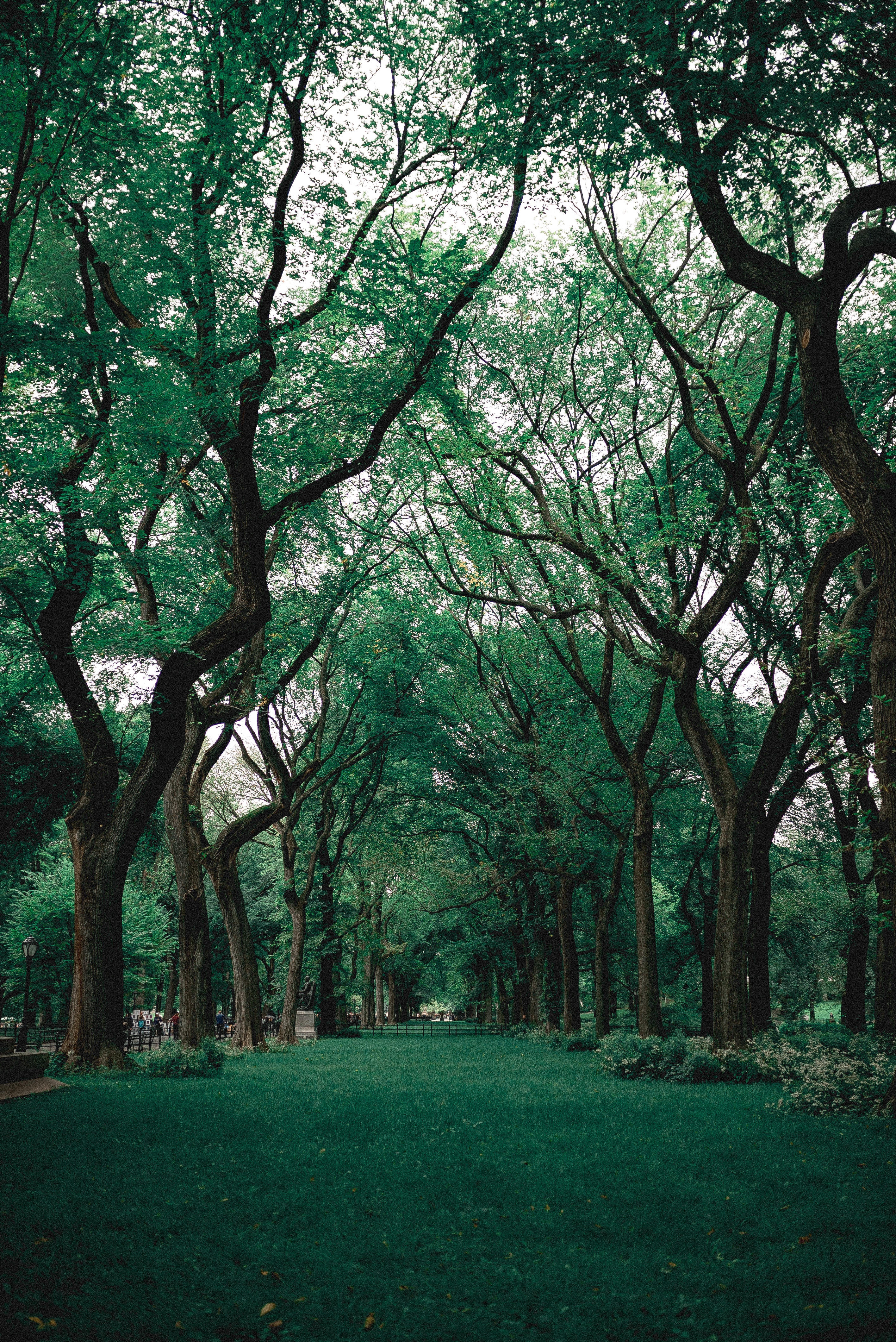
YIMBY Melbourne offers a promising solution. Their recent report outlines a pathway for increasing both the number of street trees and the overall tree canopy across Melbourne. The key is to transform the loss of private tree canopy into a gain for the public realm. This approach ensures that the benefits of greenery are redistributed, creating a greener city for everyone.

Understanding Tree Distribution
The report provides a comprehensive analysis of Melbourne’s current tree distribution. It examines trees on residential land, in public spaces, and along streets. It also considers factors like tree canopy coverage, socio-economic status, and the relationship between house prices and public tree coverage. Importantly, it highlights how tree canopy can help mitigate urban heat islands.
To reconcile urban densification with increased greenery, the report advocates for replacing private tree canopy with public tree canopy. Using available data on tree coverage and housing targets, YIMBY Melbourne estimates the amount of tree canopy likely to be lost as new developments proceed. It also calculates the number of street trees needed to offset this loss.

The Cost of Urban Greening
Maintaining Melbourne’s current tree canopy while increasing housing density requires planting 55 new trees per 100 new homes. This effort would cost approximately $1,680 per dwelling. However, YIMBY Melbourne suggests an even more ambitious goal: a 10% increase in mature tree canopy across the city. To achieve this, 60 trees per 100 dwellings should be planted, costing around $1,840 per dwelling. This significant urban greening initiative would require an annual investment of $73.6 million.
Funding for this project could come from various sources, including developer contributions, government grants, and general budgetary allocations. Although the full benefits of this increased canopy will take time to materialize, the long-term advantages are substantial. Public trees, once planted, remain a lasting benefit, contributing positively to Melbourne’s environment as they mature.
I encourage everyone to read the full report here: https://trees.yimby.melbourne Wher there are links to the source data and other relevant content. The report concludes with my favourite old adage, “The best time to plant a tree was 20 years ago. The second best time is now.” As cities around the world continue to build more homes to meet growing demands, integrating urban density with increased greenery is not just a possibility – it’s an opportunity to create a better, more sustainable cities. By embracing strategies to enhance urban canopy, we can ensure that cities become greener, more vibrant, more equitable and livable city for generations to come.
The main YIMBY site can be found here :https://www.yimby.melbourne
Note:
This post was created in #WordPress and can be viewed in the #Fedivers at: @owgf.org@owgf.org
OWGF has a Fediverse companion profile at: https://mastodon.world/@OWGF
OWGF is also on #Pixelfed here: https://pixelfed.social/OWGFhttps://pixelfed.social/OWGF


Leave a Reply