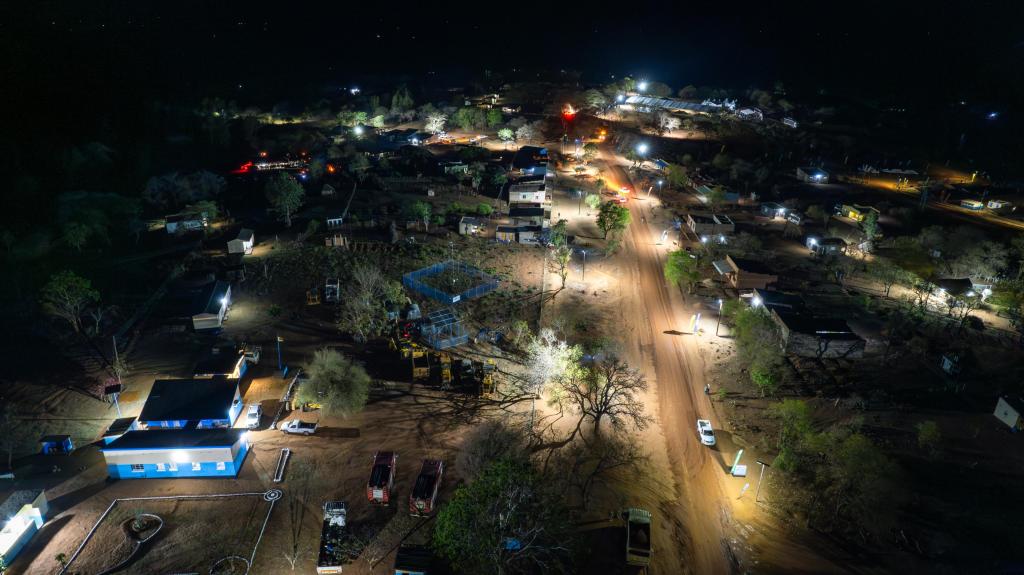
This is someting Fossil Fuel Power Stations have never been able to do. Provide reliable electricity to millions of people in Africa, particularly in rural areas. The first Coal power station in Africa was built in 1895, yet 130 years later many regions remain in the dark, with over 600 million people without electricity access. All that is now changing with Renewables. In a small village in Zimbabwe, new possibilities are emerging with the launch of a solar mini-grid, showcasing the potential of renewable energy to truly transform lives.
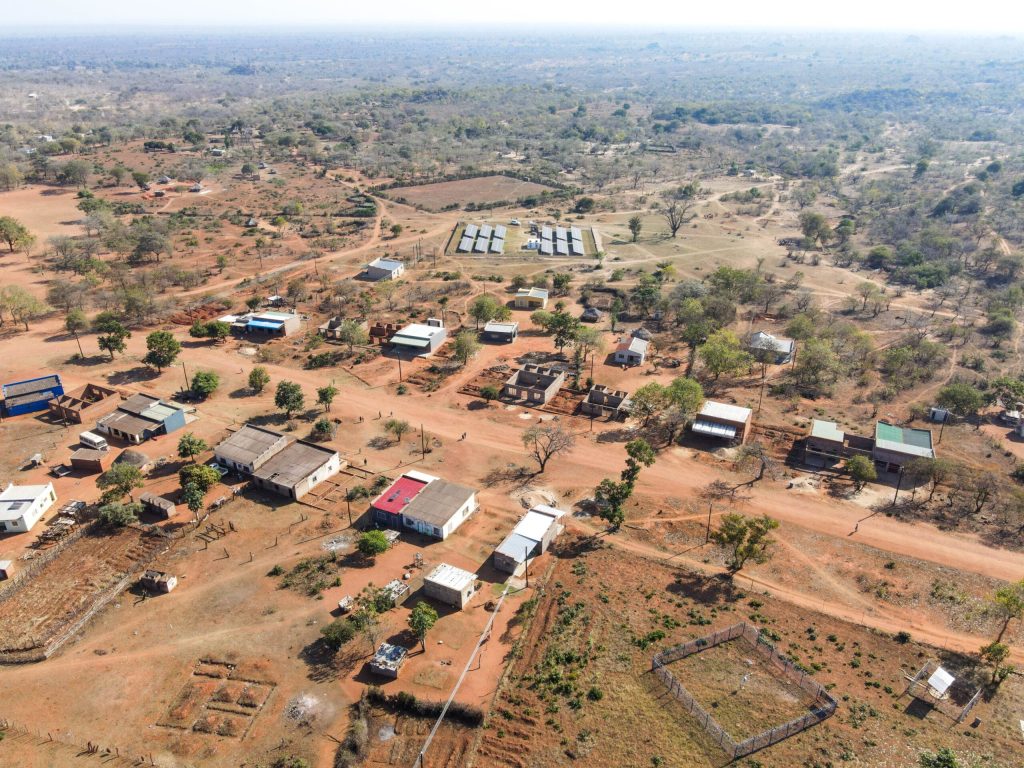
On October 3, 2024, the Hakwata village in Chipinge District celebrated the commissioning of a 200-kW solar mini-grid, a pivotal project valued at nearly US$2 million. This initiative, which brings clean, reliable electricity to over 100 homes and businesses for the first time, is a significant stride towards achieving Zimbabwe’s sustainable energy goals.
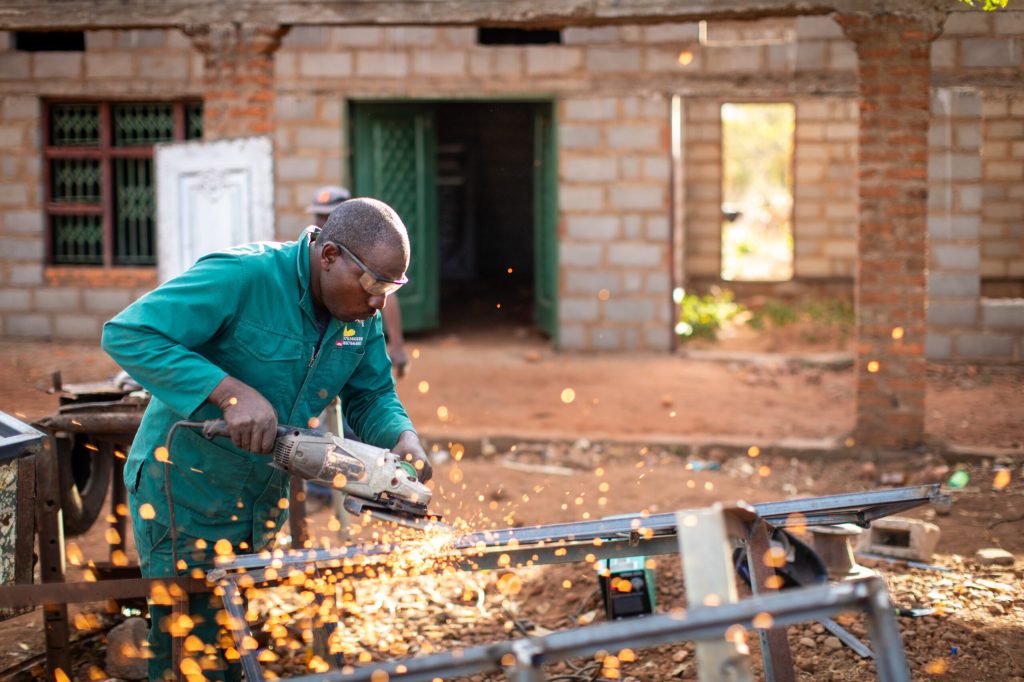
President Emmerson Dambudzo Mnangagwa, who officiated the commissioning, highlighted the urgent need for increased electricity access, noting that only 23.4% of rural areas currently have grid electricity. He emphasised the importance of collaboration among government and development partners to enhance energy access in these underserved communities.
Dr. Ayodele Odusola, UNDP Resident Representative, expressed the broader impact of the solar mini-grid, stating, “This solar mini-grid is not just providing electricity; it is powering dreams, fostering equality, and catalyzing sustainable development across multiple fronts.” The project currently operates at 20% capacity, supplying power to 85 homes, 18 businesses, a school, a clinic, and three community boreholes, with the potential for future growth.
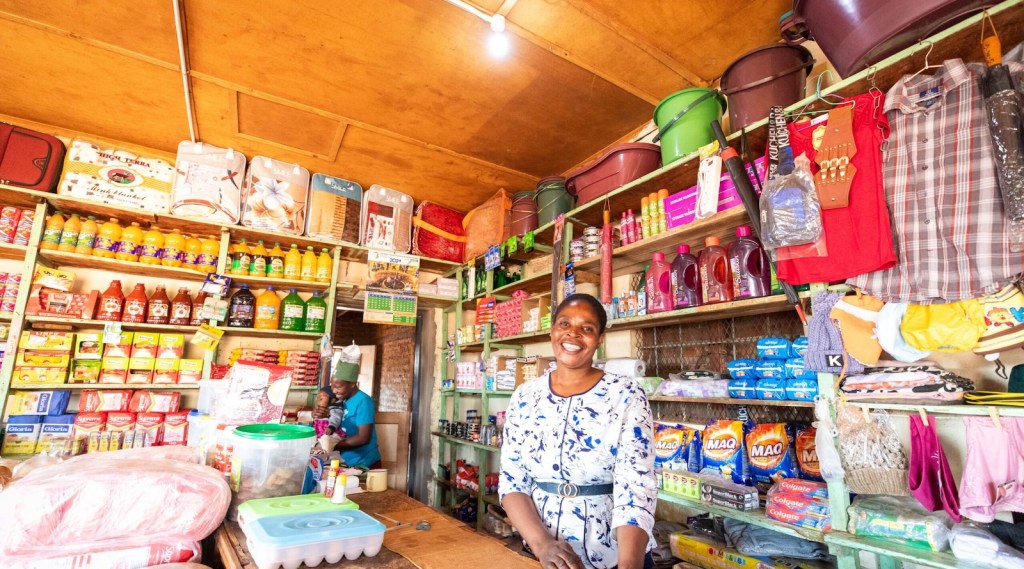
The benefits of this project are already palpable. Local shopkeeper Ms. Hamunyari Muzvuzvu shared her transformative experience: “Before, I used expensive gas to power my shop’s fridges. Now, with the solar mini-grid, I’m spending less on energy and earning more. I’ve even expanded my business to sell kitchen appliances that use electricity.” Such testimonies illustrate how renewable energy can not only improve livelihoods but also promote local economic development.
The Climate Adaptation Water Energy Programme (CAWEP), a collaboration between the British Government, the Government of Zimbabwe, and UNDP, has played a crucial role in this initiative. This US$13.6 million project aims to extend sustainable development to often-overlooked rural areas. The British Ambassador, Pete Vowles, reinforced this commitment by stating, “Energy access is a fundamental right and key to economic growth.”
In addition to the mini-grid, CAWEP has provided Hakwata with solar home kits, biogas digesters for clean cooking, an automated weather station, and solar streetlights. This comprehensive strategy is designed to significantly boost local economic activity, improve living conditions, and enhance the quality of life, particularly for women and girls.
Looking ahead, similar climate adaptation projects are in the pipeline for Binga, Insiza, and Chivi Districts, focusing on renewable energy, irrigation schemes, and improved water access. These initiatives underscore a broader vision for rural electrification across Zimbabwe.
The future of energy in Africa is not large-scale fossil fuel projects, but in distributed renewable solutions like solar mini-grids. As technology advances and costs decrease, the potential for similar projects to flourish across the continent is immense. The success in Hakwata is a clear indication that with the right investments and partnerships, we can indeed illuminate the path to a more sustainable and equitable future for all.
Note:
This post was created in #WordPress and can be viewed in the #Fedivers at: @owgf.org@owgf.org
OWGF has a Fediverse companion profile at: https://mastodon.world/@OWGF
OWGF is also on #Pixelfed here: https://pixelfed.social/OWGFhttps://pixelfed.social/OW







 Our Wonderful Green Future
Leave a comment