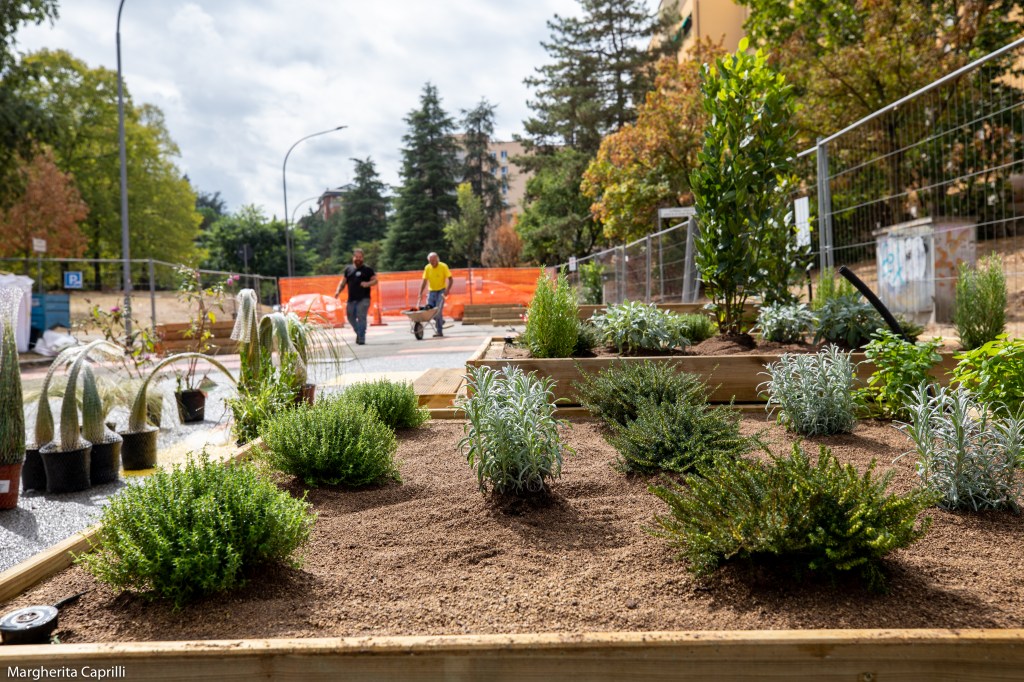
I recently did a speech to my local Rotary Club about a Participatory Urbanism project I am working on. To my surprise, the audience appeared equally interested in the whole Participatory Urbanism concept, as much as the project itself. So I thought it would be good to put together a quick explainer, which I can point people to, if they are interested.
Participatory Urbanism is an approach to city planning and development that actively involves citizens in the decision-making processes, right from the start, to create more inclusive, responsive, and sustainable urban environments.
Urban planning, once the exclusive domain of architects, developers, and policymakers, is slowly opening its doors to the people who live in the neighbourhoods they are shaping. This movement—known as Participatory Urbanism—is about putting residents at the centre of urban change. Unlike what we see right now, where residents are on the periphery of any decision making.
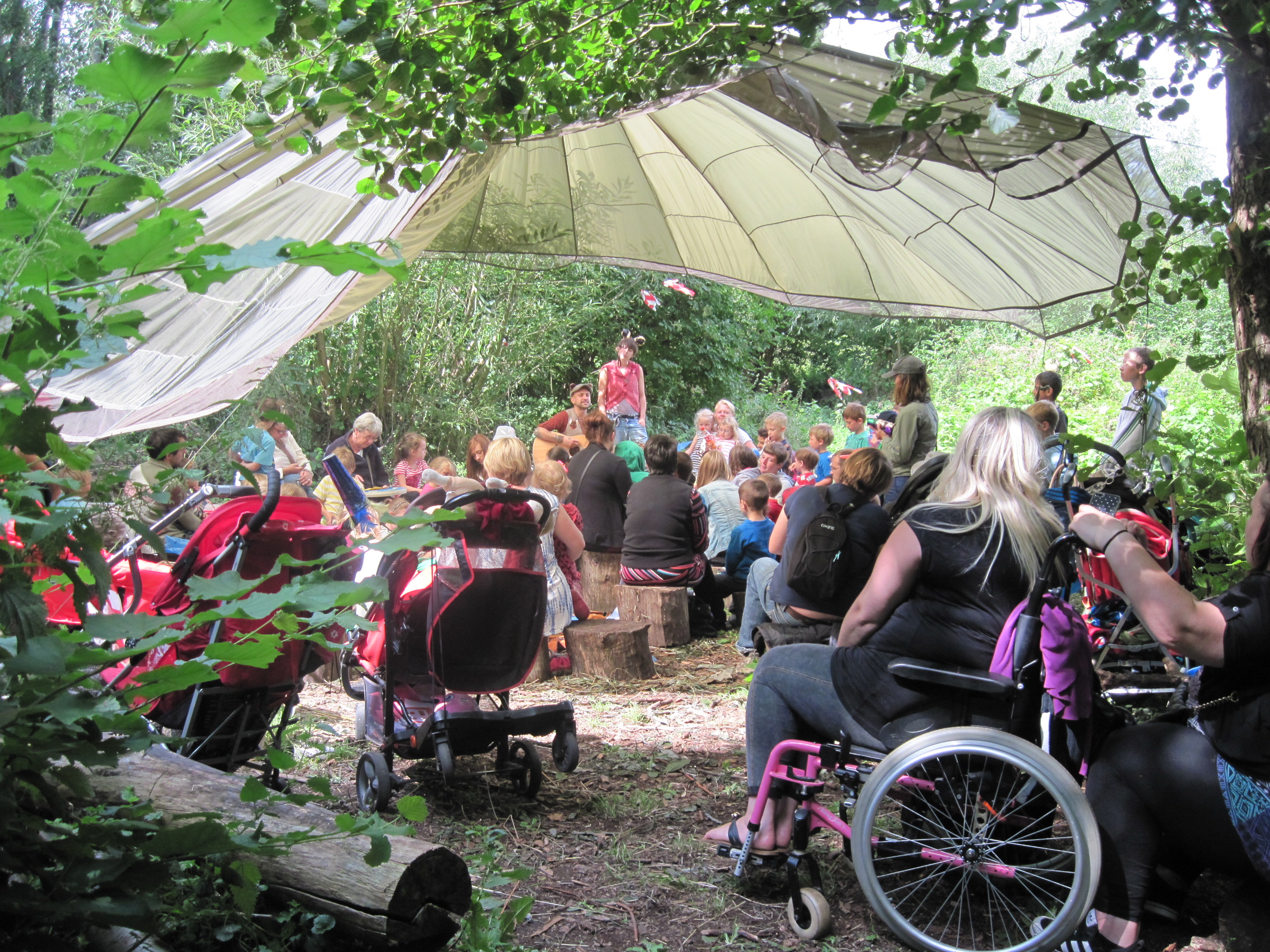
Participatory Urbanism invites community members to co-create the future of their cities. It moves beyond consultation into real collaboration, where local knowledge, lived experiences, and collective imagination become essential tools in the planning process. Whether it’s redesigning a park, rethinking traffic flow, or creating more inclusive public spaces, the goal is to make cities not just more efficient—but more just, vibrant, and responsive to human needs.
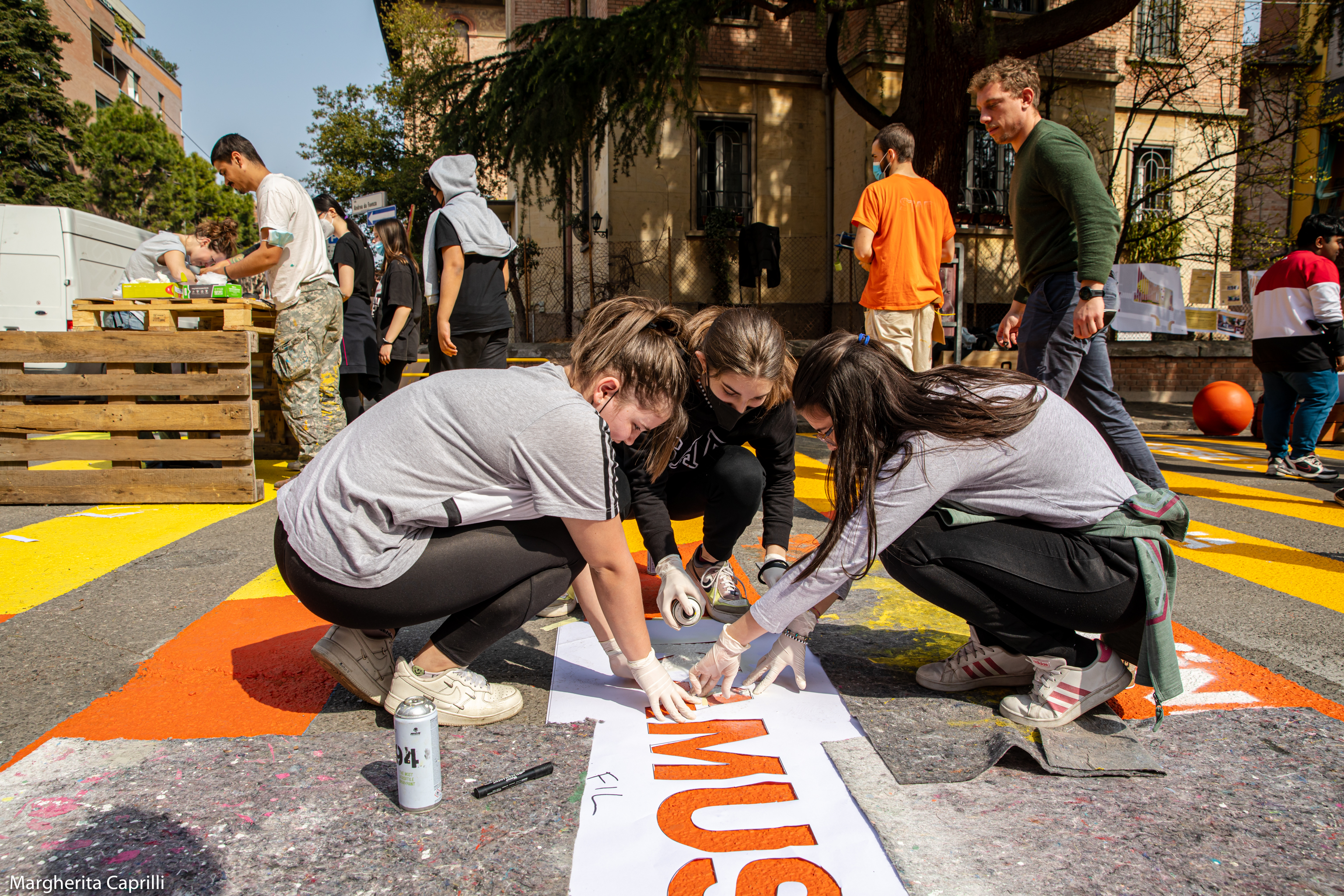
This approach goes by many names. You might hear it called “collaborative urbanism”, “community-led planning”, or “co-design”. In digital spaces, it intersects with “civic tech” and the “smart citizen” movement, where data and tools empower residents to advocate for better services. In the physical world, it often overlaps with “tactical urbanism”—those DIY, grassroots projects that temporarily transform urban spaces to test new ideas.
What unites all these threads is a simple but powerful belief: the people who live in a place are experts in their own right. By making space for their voices, we build not just better cities—but stronger communities.
Right now we get community participation really, really wrong. Most civic systems are hierarchical, with decisions made by a few “experts” behind closed doors. Public participation is often tokenistic—last-minute, limited, and on the civic leaders’ terms. It feels disingenuous, formal, and uninspiring, excluding genuine input and creativity. The same voices dominate, while people are sidelined and are not truly at the centre of decision-making.
Participatory Urbanism ultimately means reimagining our cities as places shaped by the people who live in them. It shifts power from top-down planning to collaborative processes where residents have a real say in decisions that affect their daily lives. This approach fosters more inclusive, equitable, and responsive urban environments by valuing local knowledge, creativity, and lived experience. When communities co-create their neighbourhoods—whether through planning, design, or stewardship—cities become more vibrant, just, and resilient. Participatory urbanism is about putting people at the heart of urban change, ensuring cities are not just built for communities, but built with them.
There is no one single way to implement Participatory Urbanism. Lots of cities are trying to do it right now and we see lots of different ideas and models emerging. In reality there never should be one single approach/method/model because that flies in the face of the whole idea of consulting local residents. An approach that suits one city may not work in another. Fortunately there are lots of examples we can look at from around the world, and take inspiration from. I wrote about Bologna, Italy’s approach here: https://owgf.org/2024/08/02/should-we-follow-bolognas-model-for-participatory-urbanism/ There is also the Transition Network working on providing ideas for communities that want to organise, which I posted about here: https://owgf.org/2024/08/04/transition-togethers-free-step-by-step-guide/ Also a quick web search for “Participatory Urbanism Tools” will deliver more results than you can poke a stick at.
Our Wonderful Green Future will be a co-designed by the people, for the people.




This post was created in #WordPress and can be viewed in the #Fedivers at: @owgf.org@owgf.org
OWGF has a Fediverse companion profile at: https://mastodon.world/@OWGF
OWGF is also on #Pixelfed here: https://pixelfed.social/OWGF

The future will either be Green, or not at all.









![Ed "☃️" Marczak “‘;%:.$}])nt](https://files.mastodon.social/accounts/avatars/000/036/451/original/166360762465b959.jpg)





 Our Wonderful Green Future
Leave a comment