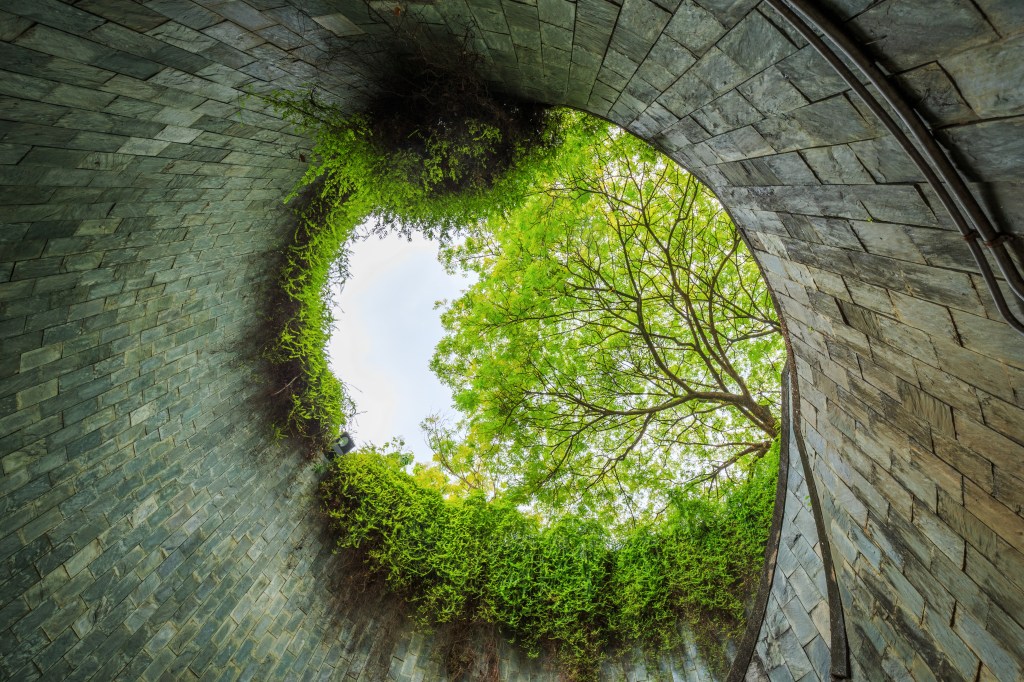
The one giant living ecosystem we are all part of on planet Earth has given birth to us human beings. Our DNA comes from this ecosystem. Our cell structures, our shapes, and our brains are what they are today because we inherited them from our “Mother Earth.” To be human is to be from planet Earth and its living ecosystem.
Humanity has known this truth for millennia, and many cultures throughout history had some way of expressing it. The Greeks created Gaia, the earth goddess, who symbolises the living spirit of nature and embodies our deep, instinctive connection to the natural world. Australia’s Indigenous peoples believed in Dreamtime, which represents the sacred connection between people, land, and nature—echoing a recognition of humans’ innate bond with the living world. Humans have long known this connection with nature on a spiritual level, and modern science has only amplified that understanding further.
Biophilia
Biophilia, which literally means “love of life” or “love of living systems,” acknowledges how we recognise our connection to nature on an emotional level. Being surrounded by the natural world feels like a mother’s embrace—a deep connection to our heritage and our very essence. This is why, when immersed in nature, we experience a profound affinity with our environment. Biophilia refers to the innate human tendency to seek connections with nature and other living beings. It reflects the inherent bond humans have with the natural world, which positively impacts both our physical and mental health. Biophilia is linked to reduced stress, enhanced cognitive function, and an overall greater sense of well-being.
Our broken connection with nature
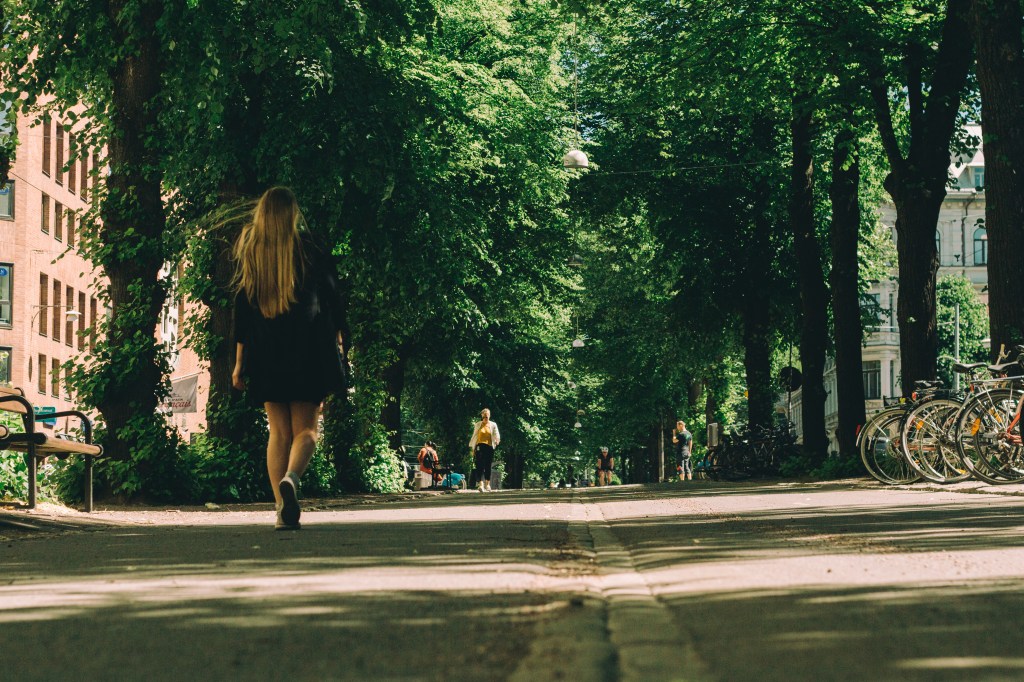
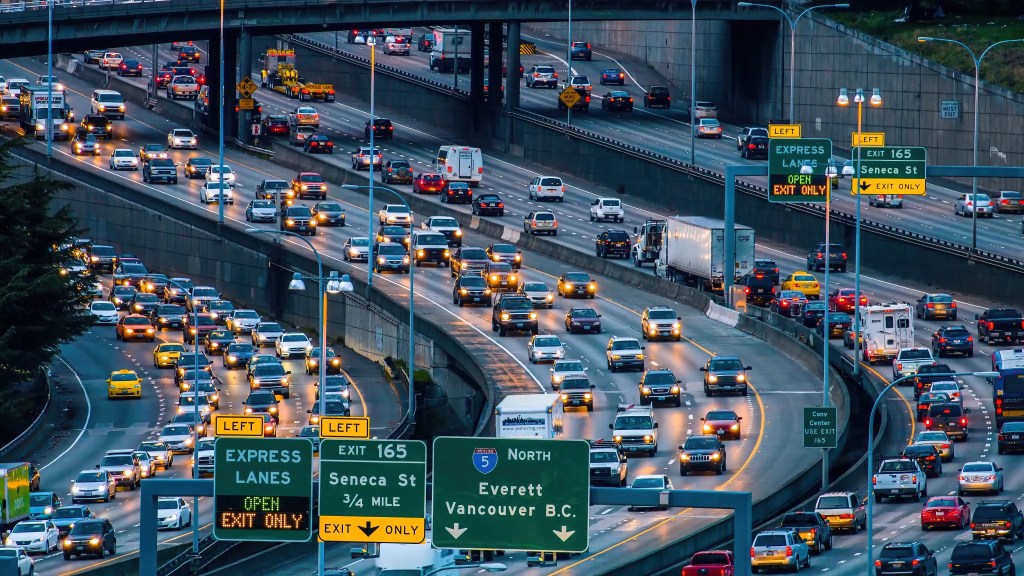
It’s clear to see that this connection has been broken. As more and more people move into our industrialised and mechanised cities, a growing number of people experience this broken connection. The noise from our machines, the pollution they create, the giant freeways, speeding cars, hard surfaces, and toxic smells in our cities all disconnect us from that inherent sense of belonging to the environment. All these unnatural elements create tension, unease, and anxiety within us. Perhaps not all the time, and usually to a greater or lesser degree, but that uneasy feeling is there, just beneath the surface. While we distract ourselves with our jobs, gadgets, entertainment and leisure activities, the need for connection with nature always lives below the surface.
Nature connectedness
All over the world, people are noticing this broken connection. People are writing books about Biophilia, [Links] blogging about it, creating academic courses, [Link] and making videos on the subject. [Link] Nature Therapy and Nature Bathing have become business opportunities, with people paying to reconnect with nature. [Link] The theory of Nature Connectedness is now well established and attracting research interest. [Link] As more and more people recognise these broken connections in our cities, the rise of a movement in response should come as no surprise.
Modern day deserts – Loneliness
Our cities have become modern-day deserts to humanity’s Biophilic needs. They can feel completely alien to us, both physically and emotionally. In urban environments, it is often only our shared connection with other people that keeps us feeling grounded and happy. For hundreds of years, our relationships with each other have fulfilled many of our innate “nature-connected” needs—but even that is now breaking down. As we organise ourselves into increasingly disconnected and individual spheres, we are losing that vital human-to-human connection. As more people drive everywhere, that sense of connection fades. As more people move to suburbs—especially those without local parks, town squares, or corner shops where we naturally bump into other people—things only get worse. Is it any wonder that we’re now facing a loneliness epidemic? [Link]
In the Countryside
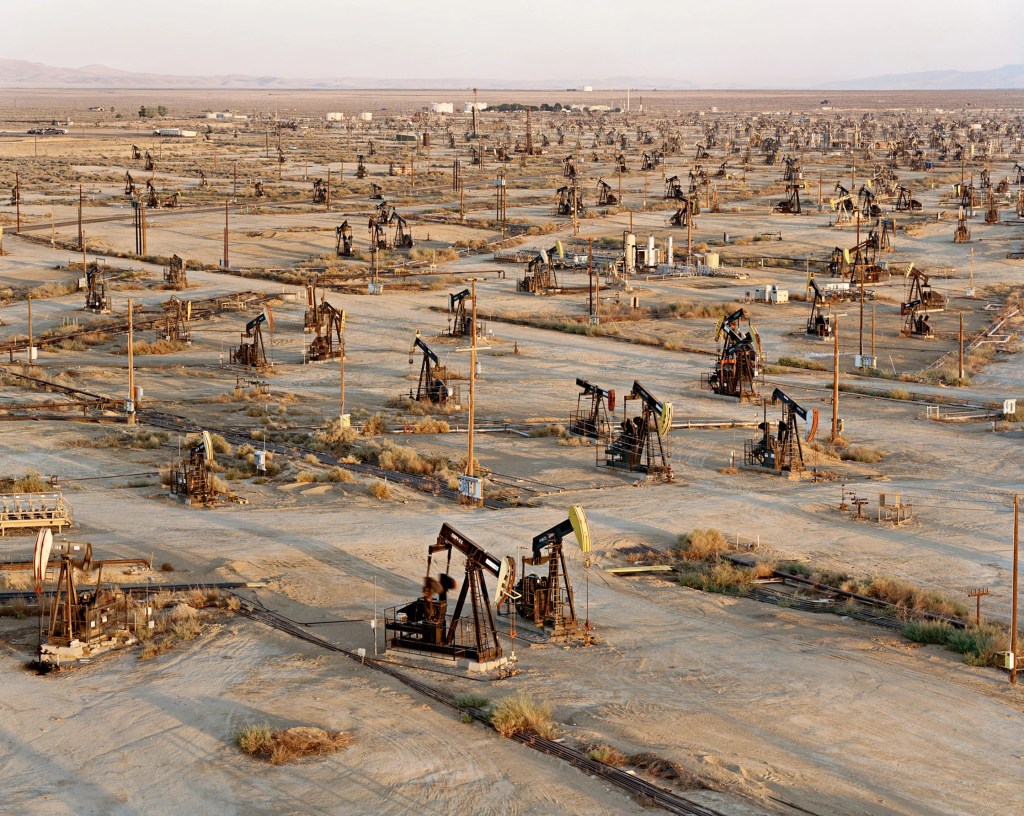
While this post is mostly about cities, it would be wrong to think that this disconnection exists only in urban areas. Our countryside has suffered significant ecological degradation. It’s crisscrossed by asphalt roads and divided by fences, with fields ravaged by heavy agricultural machinery, leaving behind vast, artificial monocultures. While we can still find pockets of nature, they are like small islands—similar to parks in our cities. Is it any wonder that farmers commit suicide in such high numbers? Yes, this has much to do with the pressures of modern agriculture, but a disconnect from nature clearly plays a role as well.
I still think of that scene in Trainspotting, the movie, where the protagonists leave their squalid urban surroundings to enjoy a walk in the countryside. When they get there, they find a cold, wind-swept, barren place that in no way feels welcoming. It may be the countryside, but it’s been stripped of almost all life. Our anti-heroes quickly scurry back to their squalid urban life, which they see as the preferable option. I wonder if they had gone to the countryside and been surrounded by lush green forests and spent time sitting under giant trees with the sun on their faces, perhaps the film would have ended a bit differently. [Link]
Both urban and rural environments suffer from invisible toxins permeating the air, soil, and water, disrupting nature’s delicate balance. These pollutants and petrochemicals break fundamental ecological bonds, causing widespread environmental damage. Though their effects remain unseen, these toxins are making our planet and its farmers increasingly ill. [Link] While Biophilia focuses on humanity’s connection to nature, when we damage nature’s internal connections on a large scale, we ultimately harm ourselves as well.
These problems are well known by farmers, yet few are willing to acknowledge them or make the necessary changes. Charles Massey, a Monaro woolgrower, in his book The Reed Warbler, explores the profound connection between humans and nature, emphasising that this bond is essential for our well-being and spiritual health. He argues that the natural world is not just a backdrop for human activity but a living, interconnected system of which we are deeply part of. Massey highlights how reconnecting with nature helps restore a sense of belonging and meaning, countering the alienation many feel in modern, technology-driven society. [Link]
The Wealthy
Wealthy individuals throughout history have leveraged their financial resources and influence to immerse themselves in natural surroundings. This practice spans from the meticulously designed gardens of 18th-century European nobility to the verdant landscapes of affluent suburbs and sprawling country estates. What began as a display of status has evolved into a means of creating personal green sanctuaries amidst our increasingly industrialised urban environments and altered landscapes. In contrast, the poorest people have always been denied access to nature in cities. From the Manchester terraces, of the Industrial Revolution, to the favelas of South America, greenery and nature have consistently been withheld from the urban poor by developers and planners.
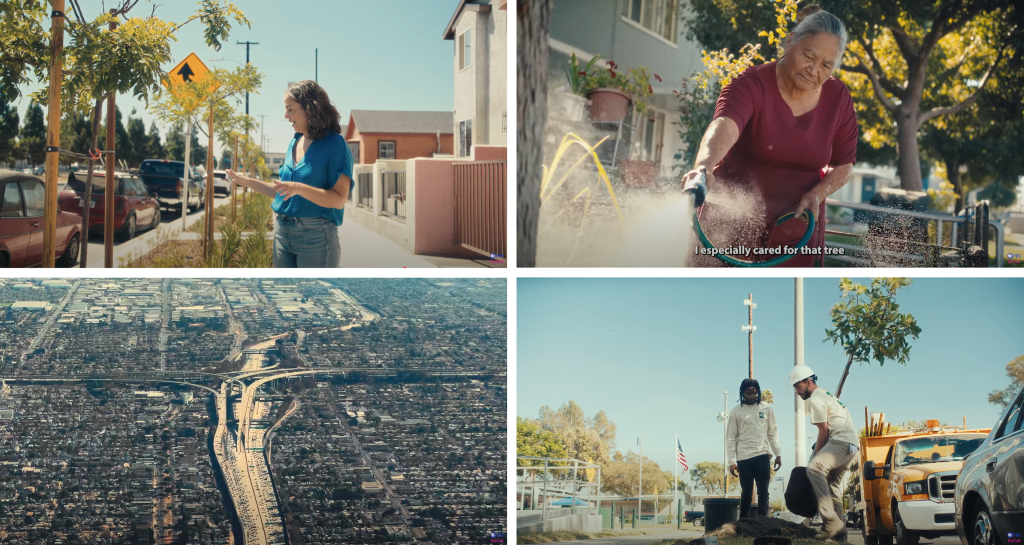
With the impacts of climate change worsening, phenomena like the urban heat island effect highlight some of the many other issues that arise from a lack of nature. While many cities are finally beginning to address the issue of limited green space in the poorest neighbourhoods, available resources are nowhere near enough to meet the scale of the problem. Much of the work is still often left to small not-for-profit organisations like North East Trees in LA. [Link]
Creature Comforts
While we do love our connection to nature, we also love the creature comforts that our cities offer. We don’t enjoy being surrounded by nature when we are uncomfortably cold and wet. We appreciate what our homes and cities provide: roofs over our heads, mud-free streets, temperature-controlled environments, running water, access to a myriad of services and more. Nobody wants to give up their creature comforts, but in order to have many of them, we end up destroying nature. Nobody is saying we should all go live in forests—so the question remains: what is the compromise? How can we have more nature in our cities, that we can connect with, especially when “free” space is in such short supply?
Bringing nature back
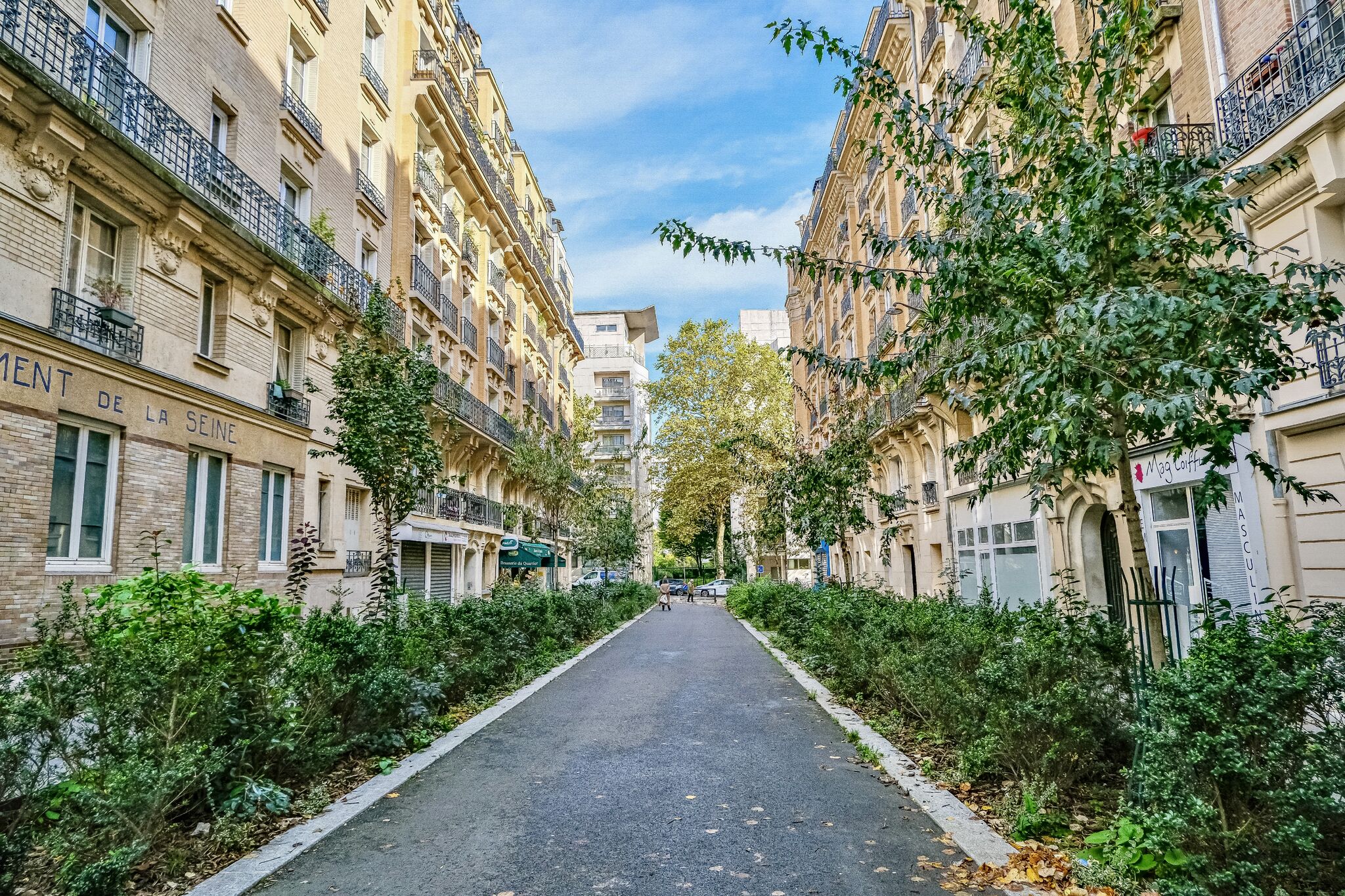
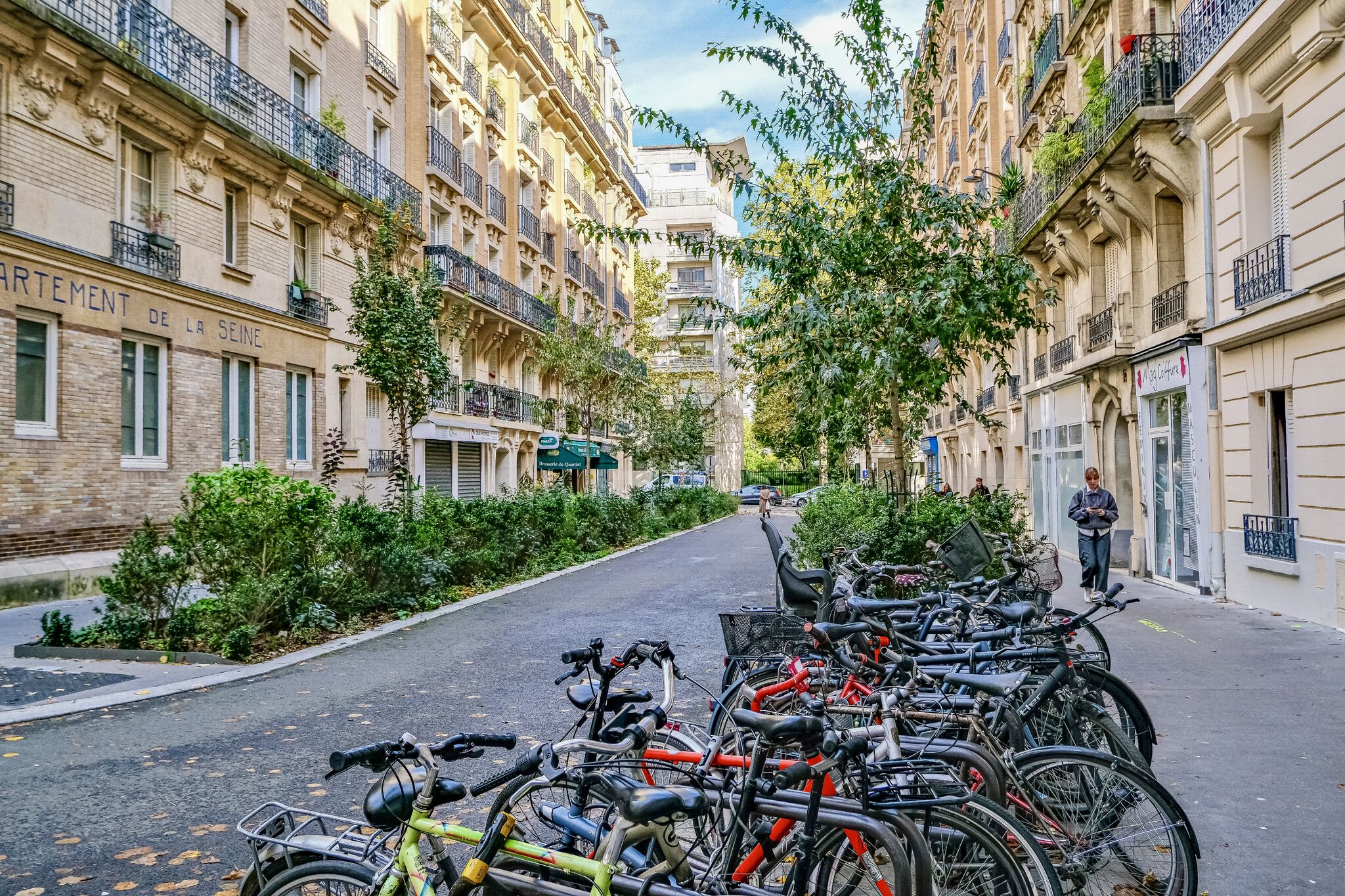
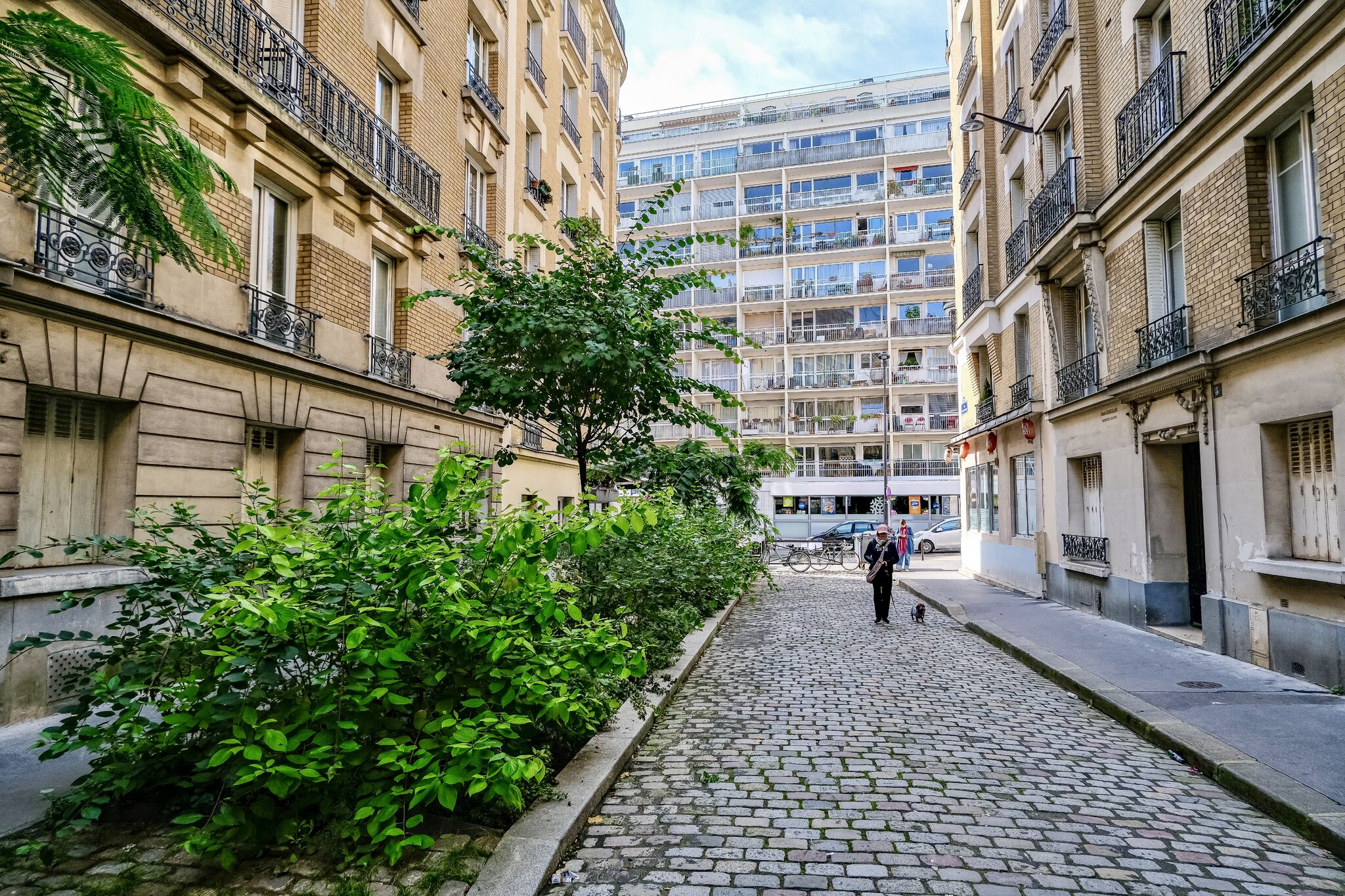
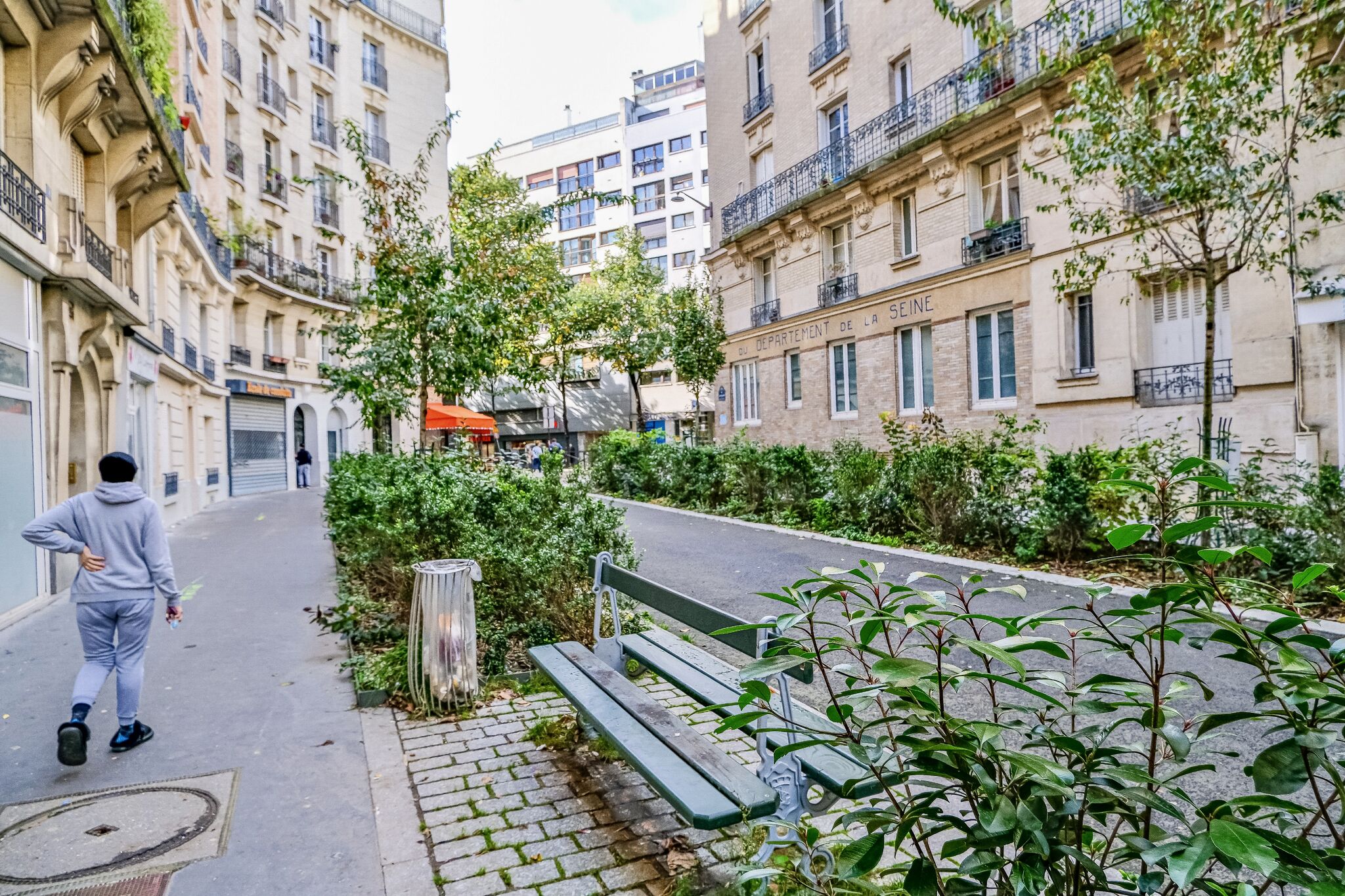
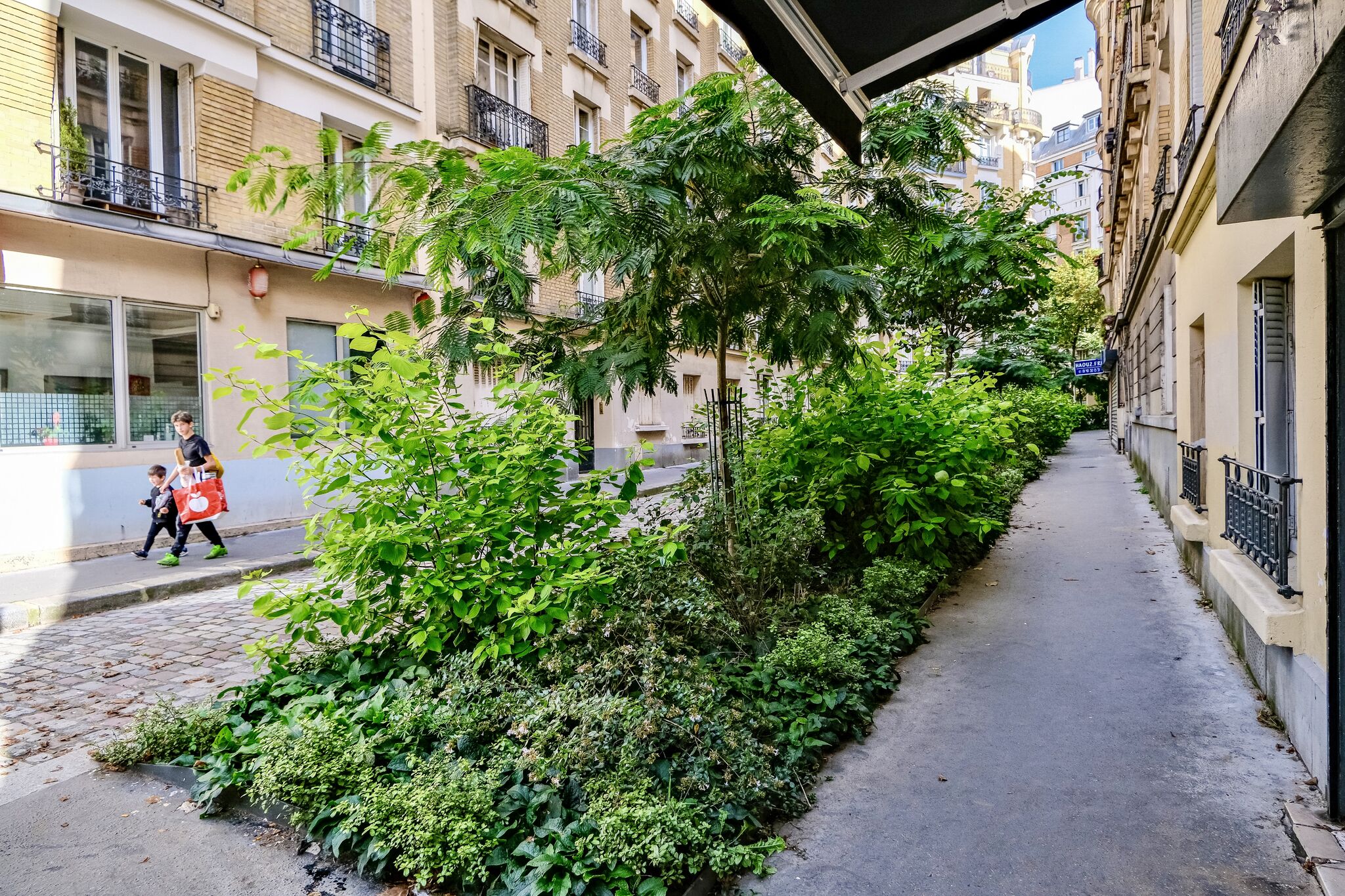
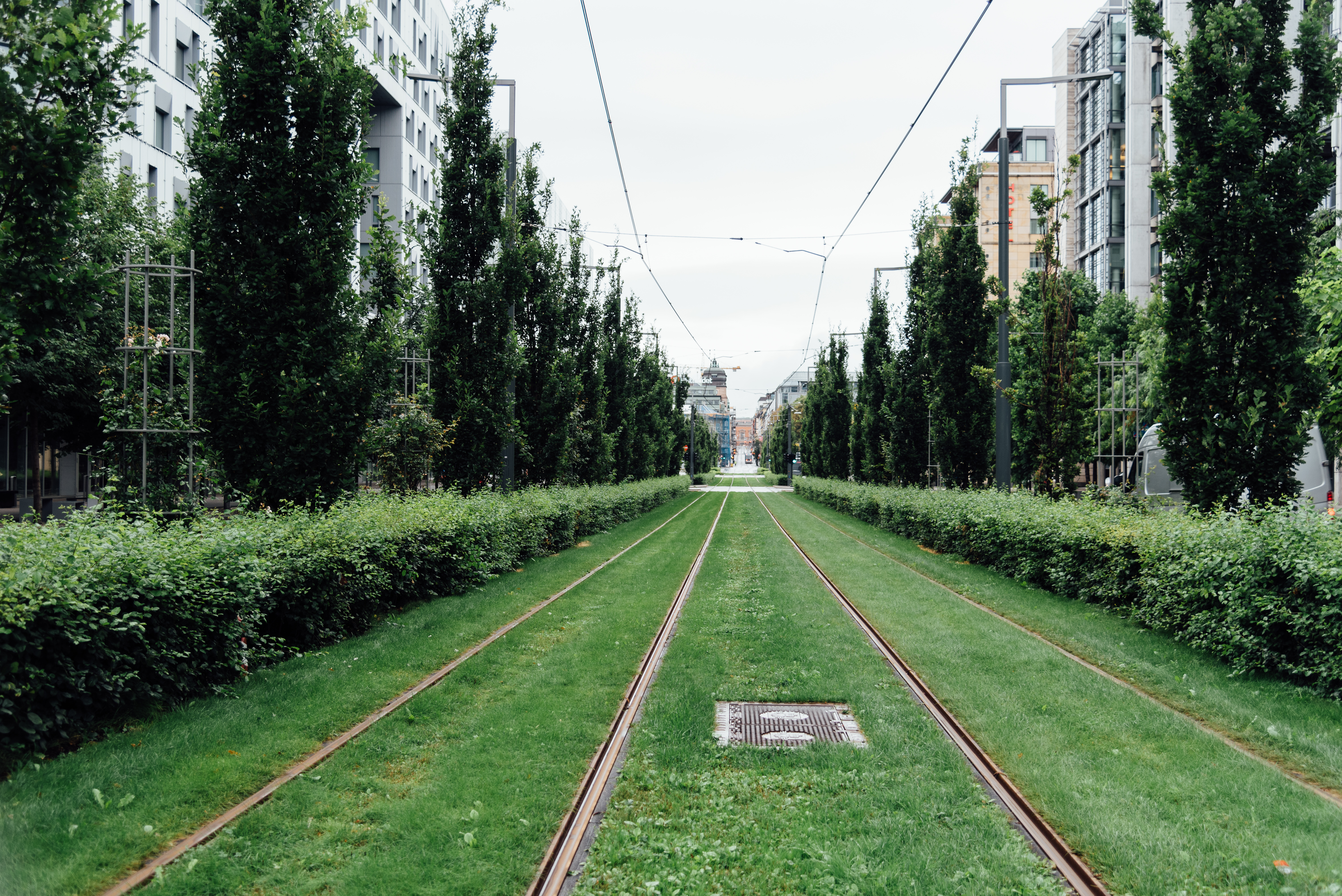
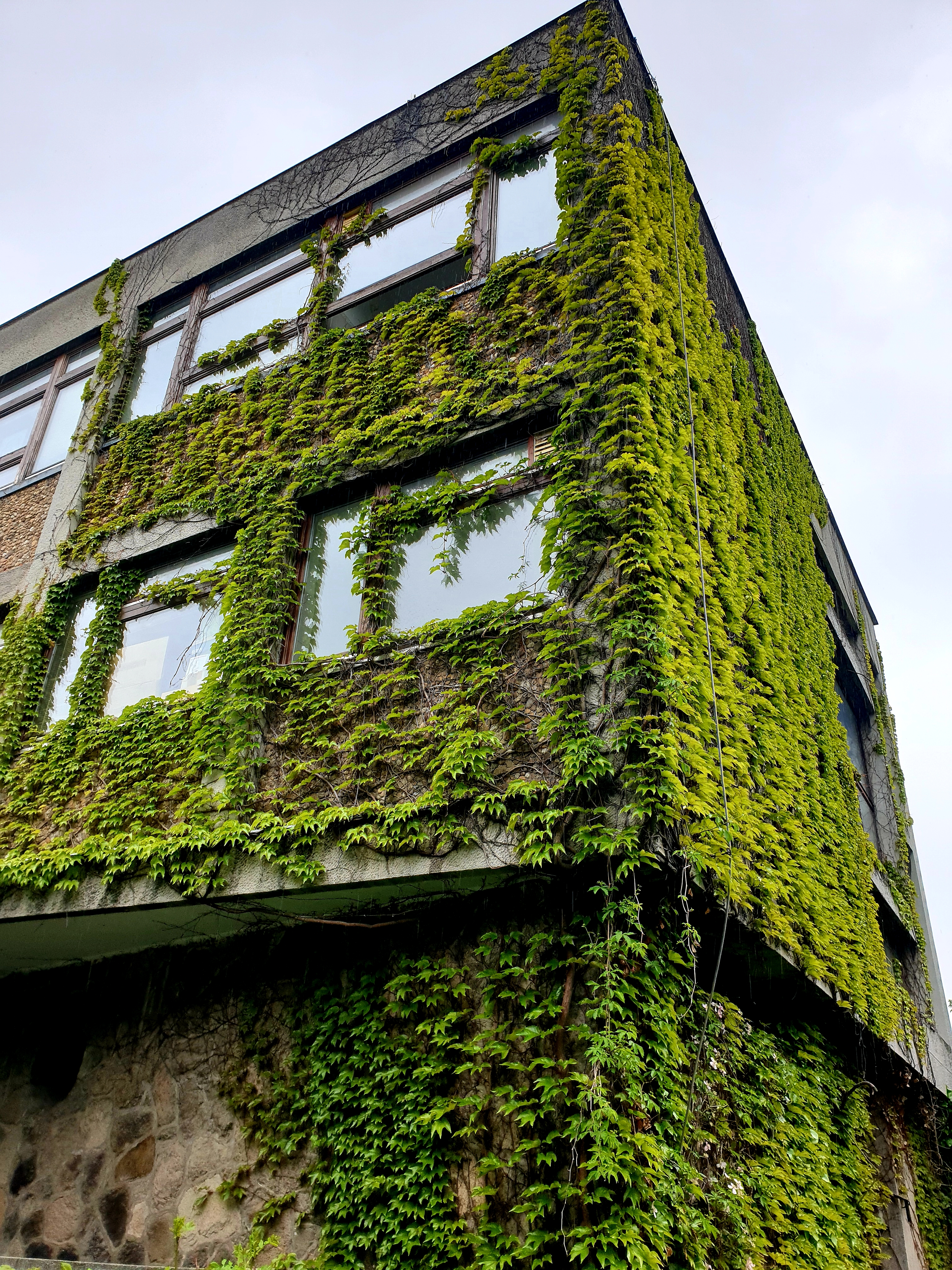
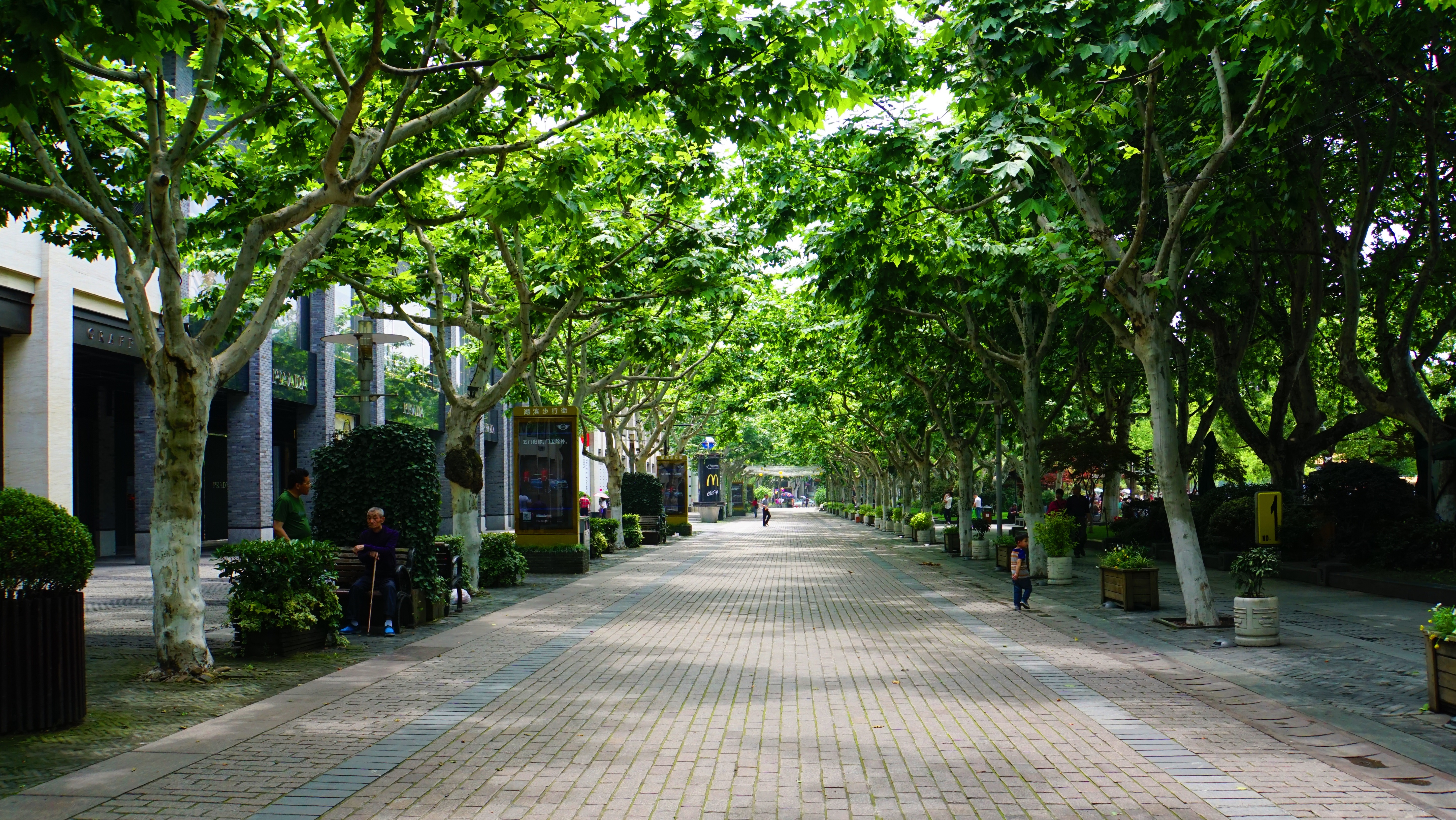
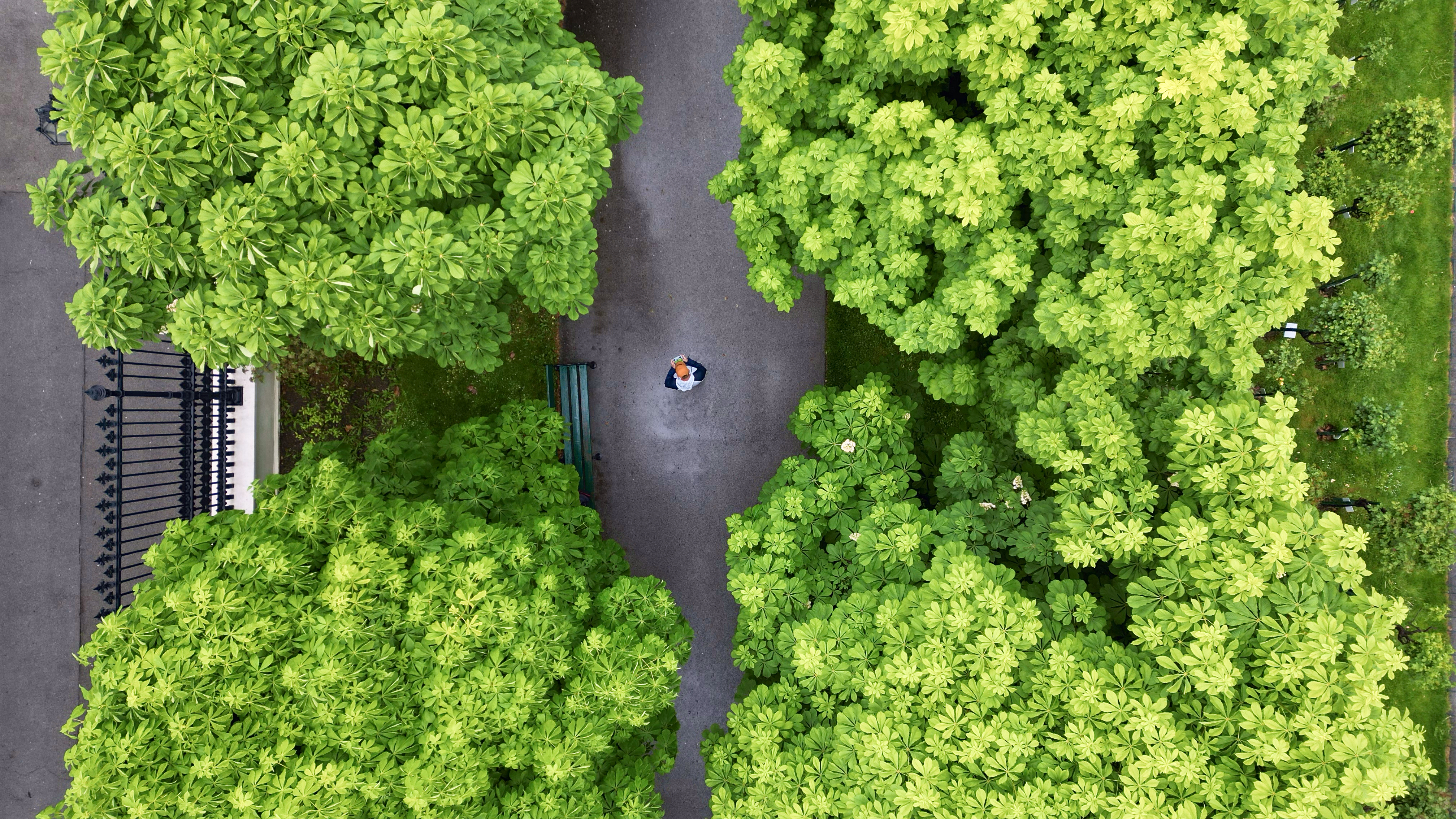
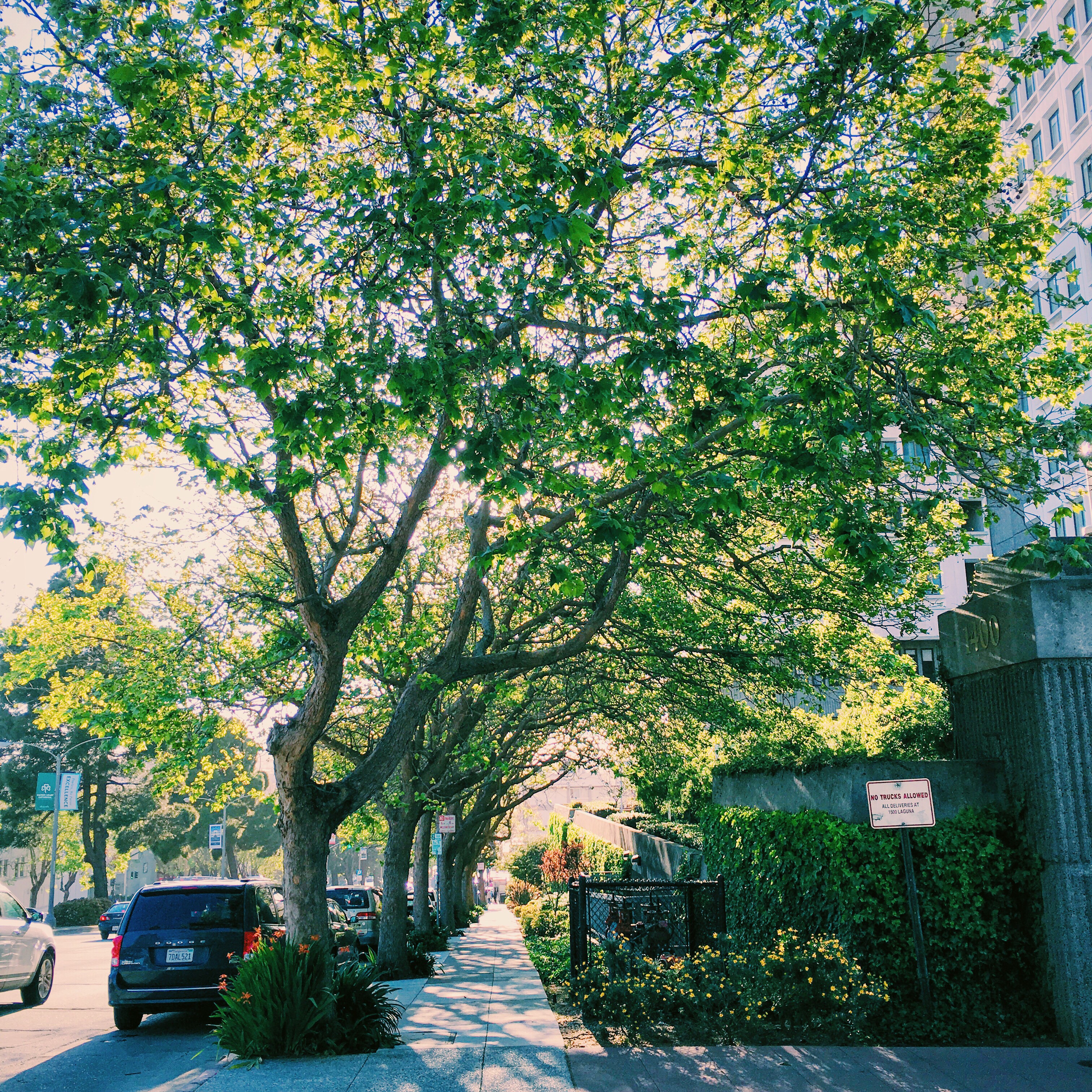
Our aim should be to restore as much nature as possible to both our cities and the countryside. We need to look at the quickest and easiest ways to do this and get started on those first. For me, the absolute simplest way is by removing a modest 10% of on-street parking and replacing it with native trees and plants. This would absolutely transform our cities. Streets are one of the most important parts of our cities and should be part of our commons that we all have the right to change—within reason and with full consultation.
Yimby Melbourne produced this excellent report, looking at the feasibly and benefits of this approach and even did some costs too. http://trees.yimby.melbourne
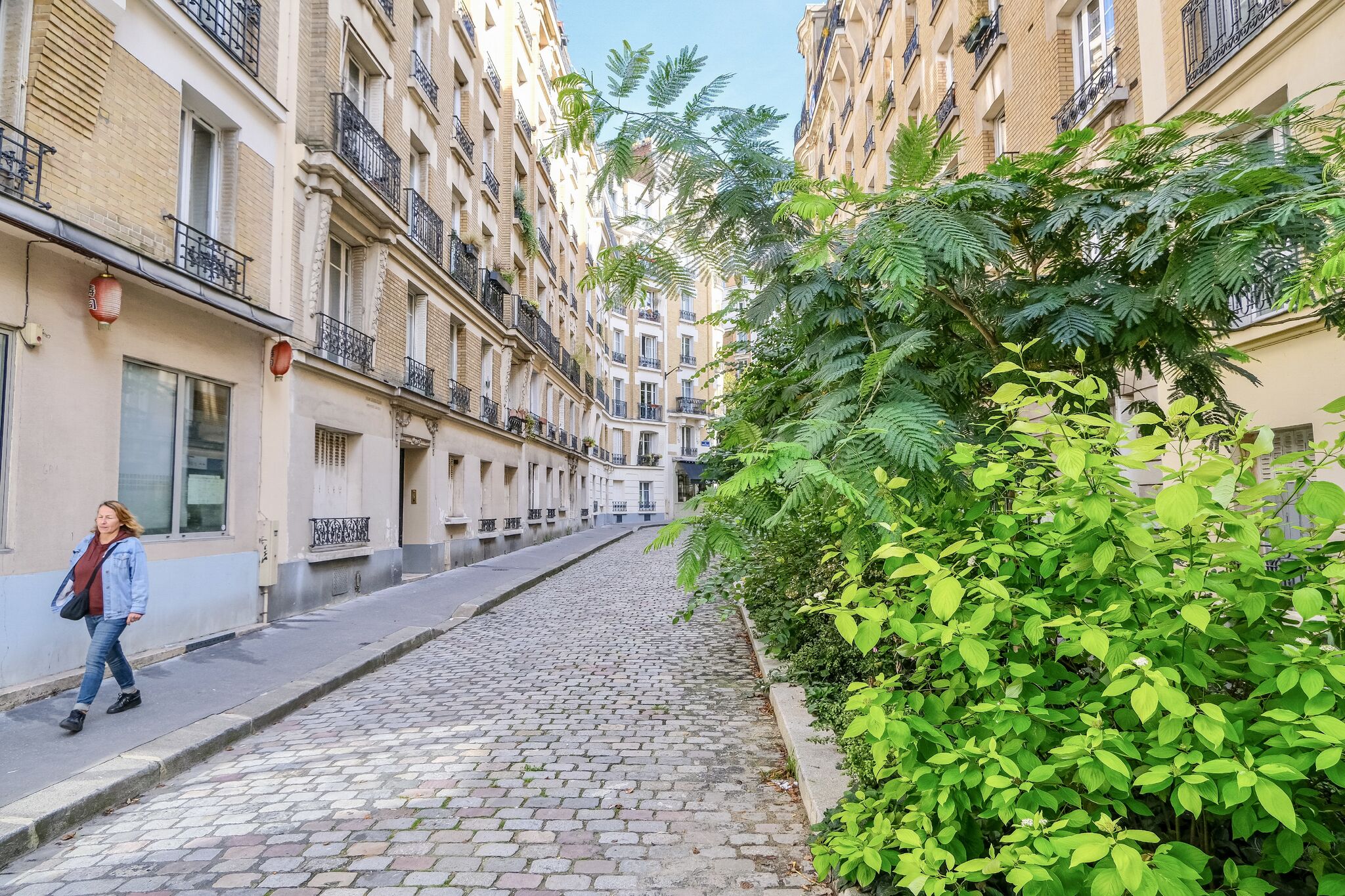
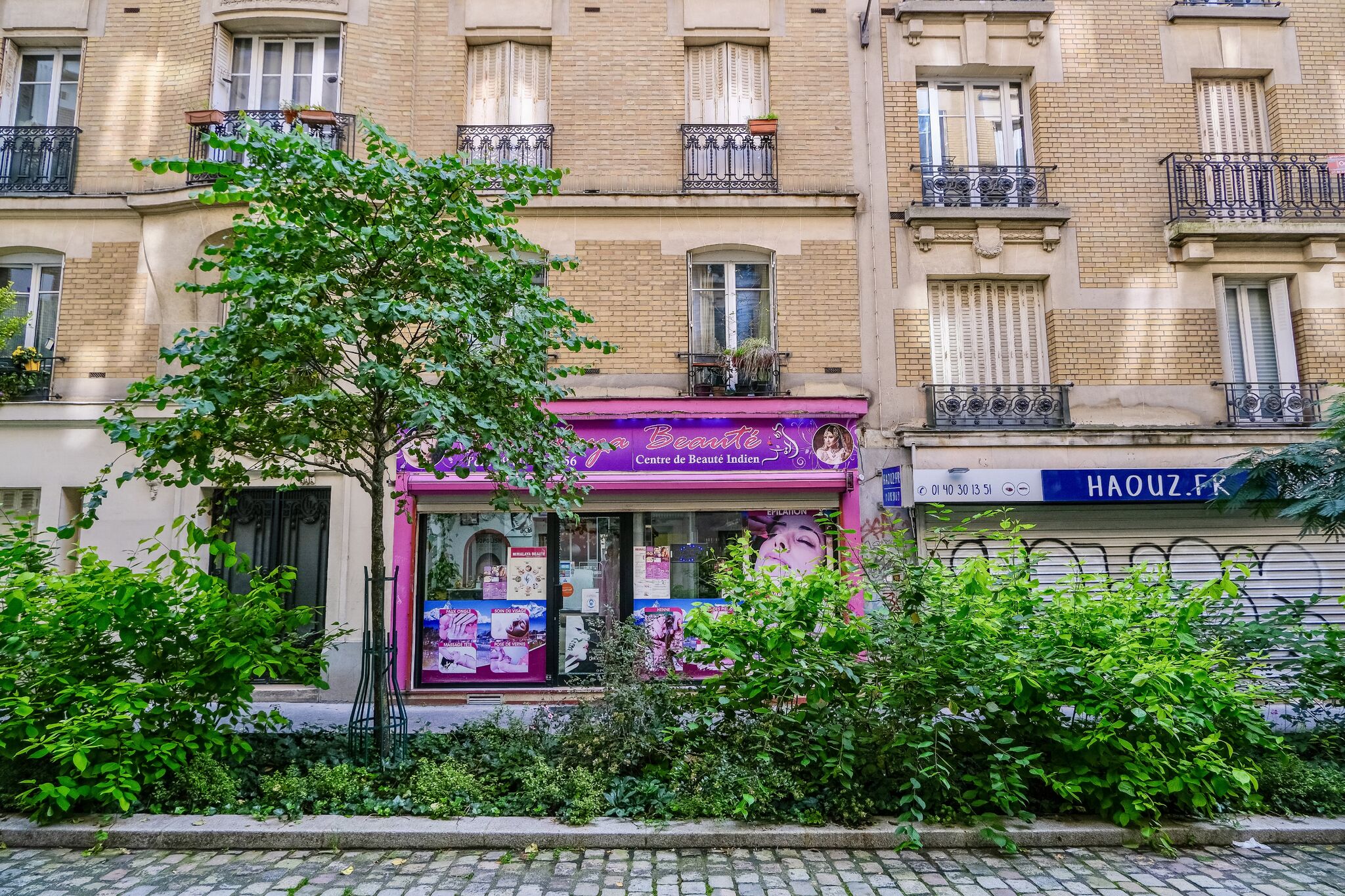
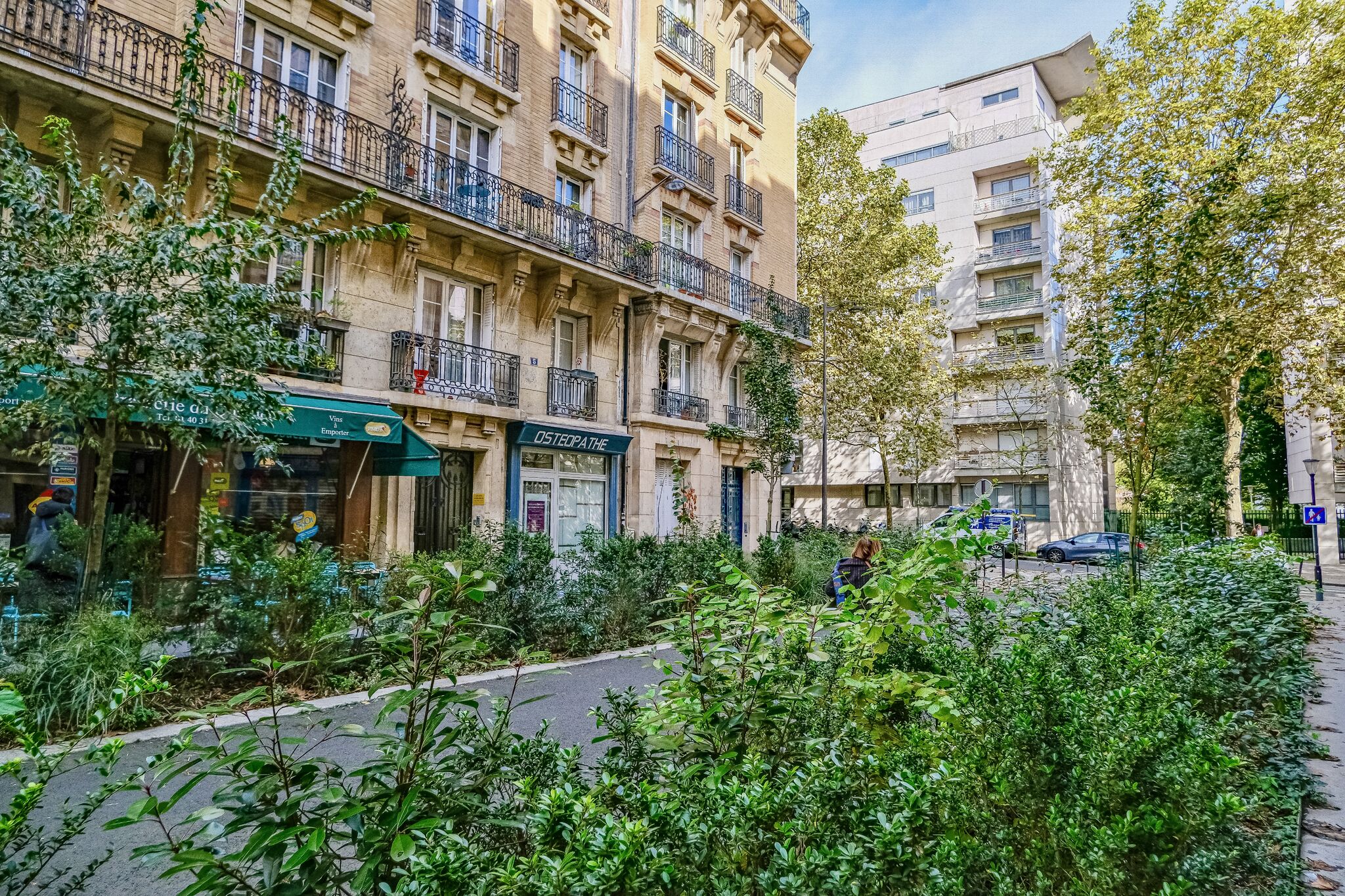
There are many ways we can swap parking for greenery that are quick, reasonably cheap, and would have an immediate effect on our cities. Paris is leading the way on this. Mayor Anne Hidalgo’s plan for removing 70,000 of the city’s 140,000 on-street parking spaces to make Paris greener and more people-friendly is well under way.
Participatory Urbanism.
It’s 2025, and it is long past time that everyone in our cities had the same access to greenery that the wealthiest residents enjoy. Yes, there is a cost to this, but there is an even greater human health cost for those living in nature-deprived spaces. Fortunately, there are ways to achieve greening objectives more quickly, more cheaply, and more easily through participatory urbanism—by inviting people to shape their own streets and giving residents who want to get hands-on a way to do so, as Emma Cutting has done with her Pollinators Corridor project. [Link]
All over the world we are seeing citizen De-paving movements springing up. [https://en.wikipedia.org/wiki/Depaving] Where local residents go out into the community and looking for opportunities to rip out hard surfaces and replacing them with nature. There are groups all over the world, from Portland to Berlin now doing this. Once the paving has gone they plant trees and bushes and return a little more space back to nature. De-paving also allows for opportunities to bringing back natural hydrological systems that capture stormwater run off. De-paving projects often include Sustainable Urban Stormwater Design. (SuSD) This is an approach to managing rainwater and runoff in urban areas that prioritises environmental sustainability, aiming to mimic natural hydrological processes to reduce pollution, improve water quality, and enhance urban resilience. I wrote about a project like this [HERE]
The Melbourne Regen Network has recently launched its 300,000 Streets initiative, which aims to transform the city’s streets into vibrant, community-centered spaces that promote social interaction, environmental sustainability, and economic vitality. This project seeks to engage residents in shaping their neighbourhoods, addressing issues like walkability and green space to enhance overall liveability. [Link]
Wrapping up…
Biophilia is something that exists in all of us to a greater or lesser degree. Though we may block it out with endless distractions, it’s always there in the background. For many people, this need for connection with nature—and with others—is much more pronounced, much clearer and more obvious. For some, the disconnection from nature contributes to a general feeling of unease, a background anxiety they just can’t quite put their finger on.
As our cities and countryside have become more industrialised and mechanised, the backlash against our disconnection with nature has grown stronger and stronger. We are now at a point where thousands of movements around the world recognise Biophilia and are actively seeking to do something about it. This is very much part of what I see as the Re-Growth Revolution. [Link] And this author, for one, thinks this is bloody marvellous!
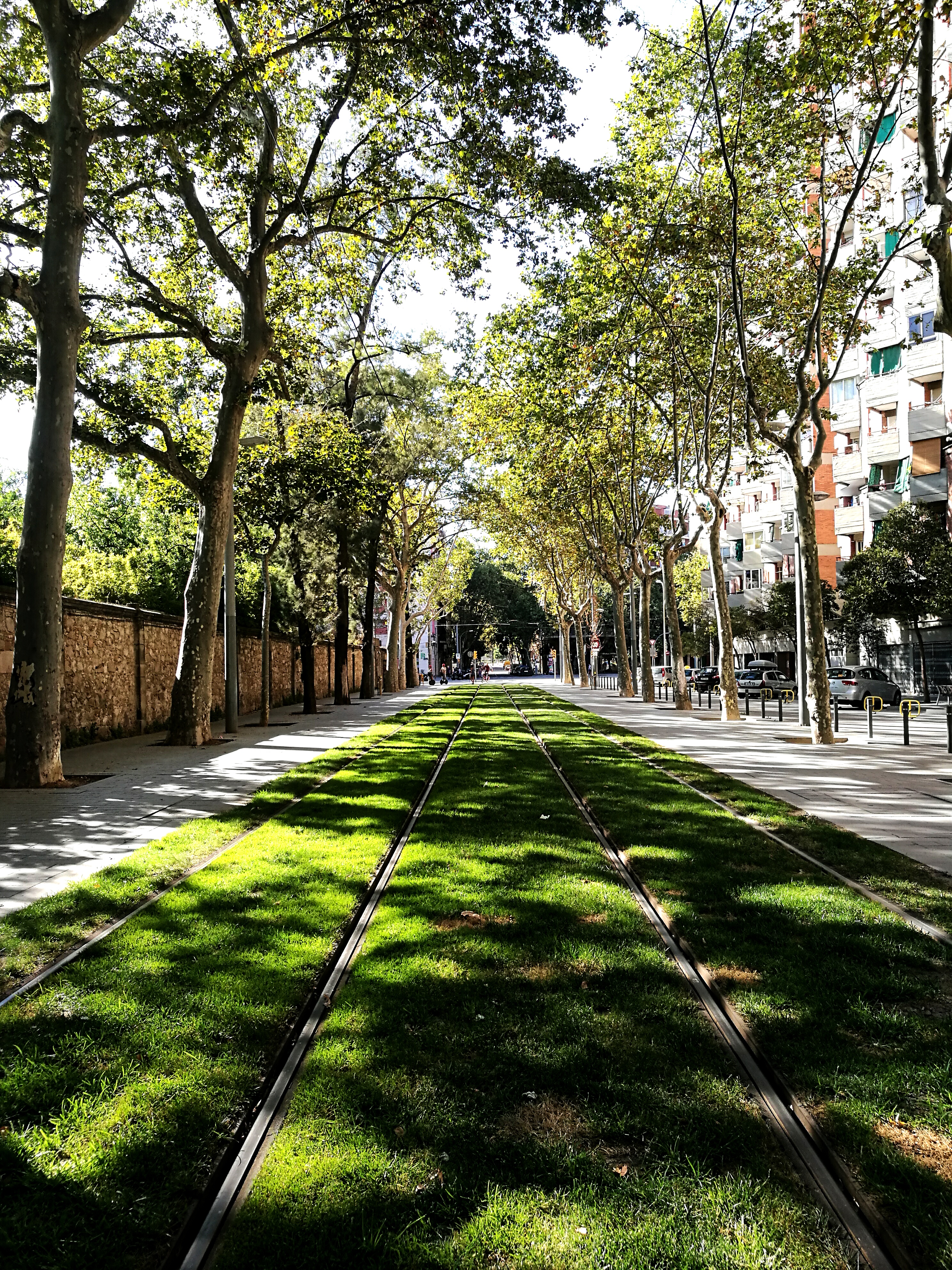
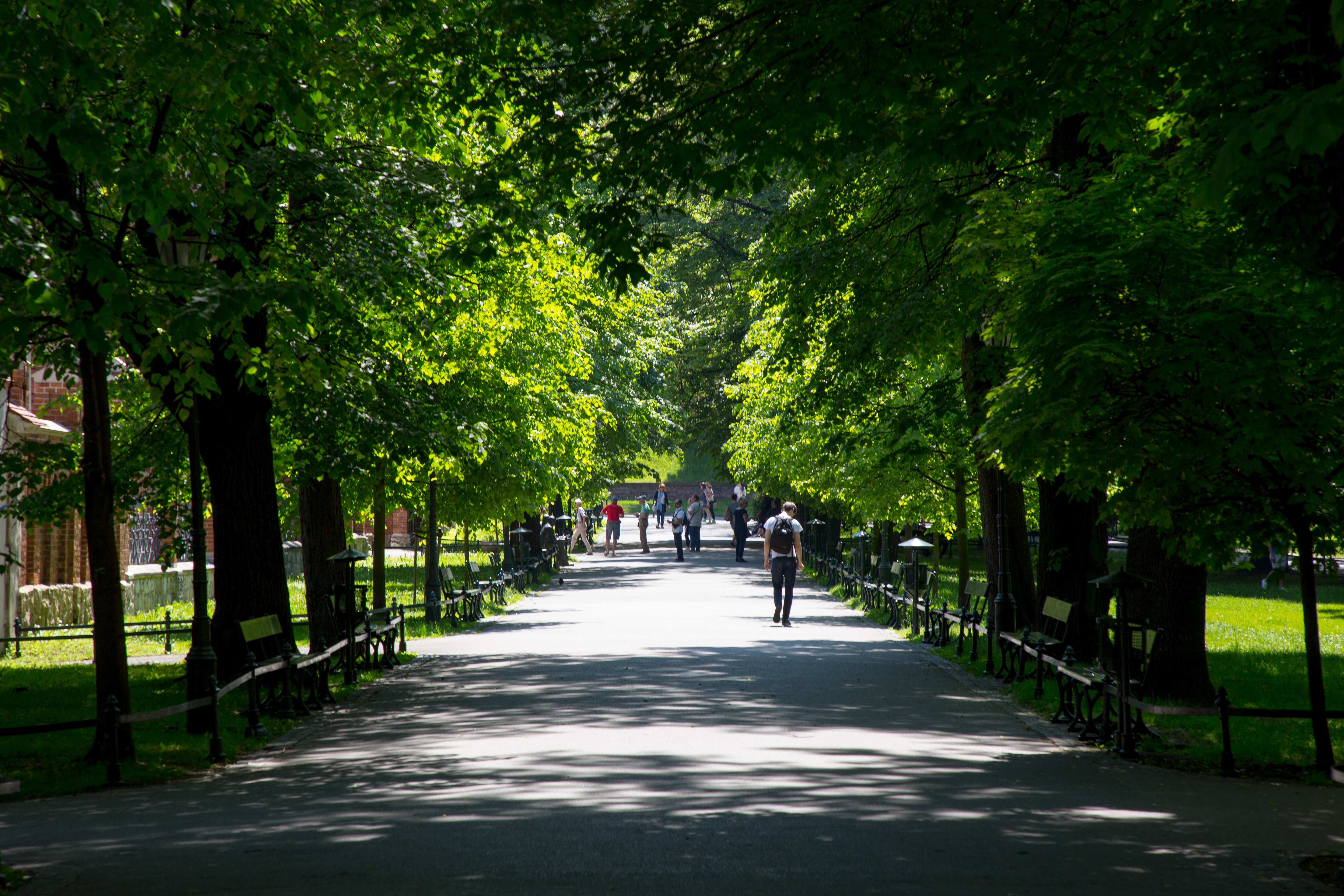
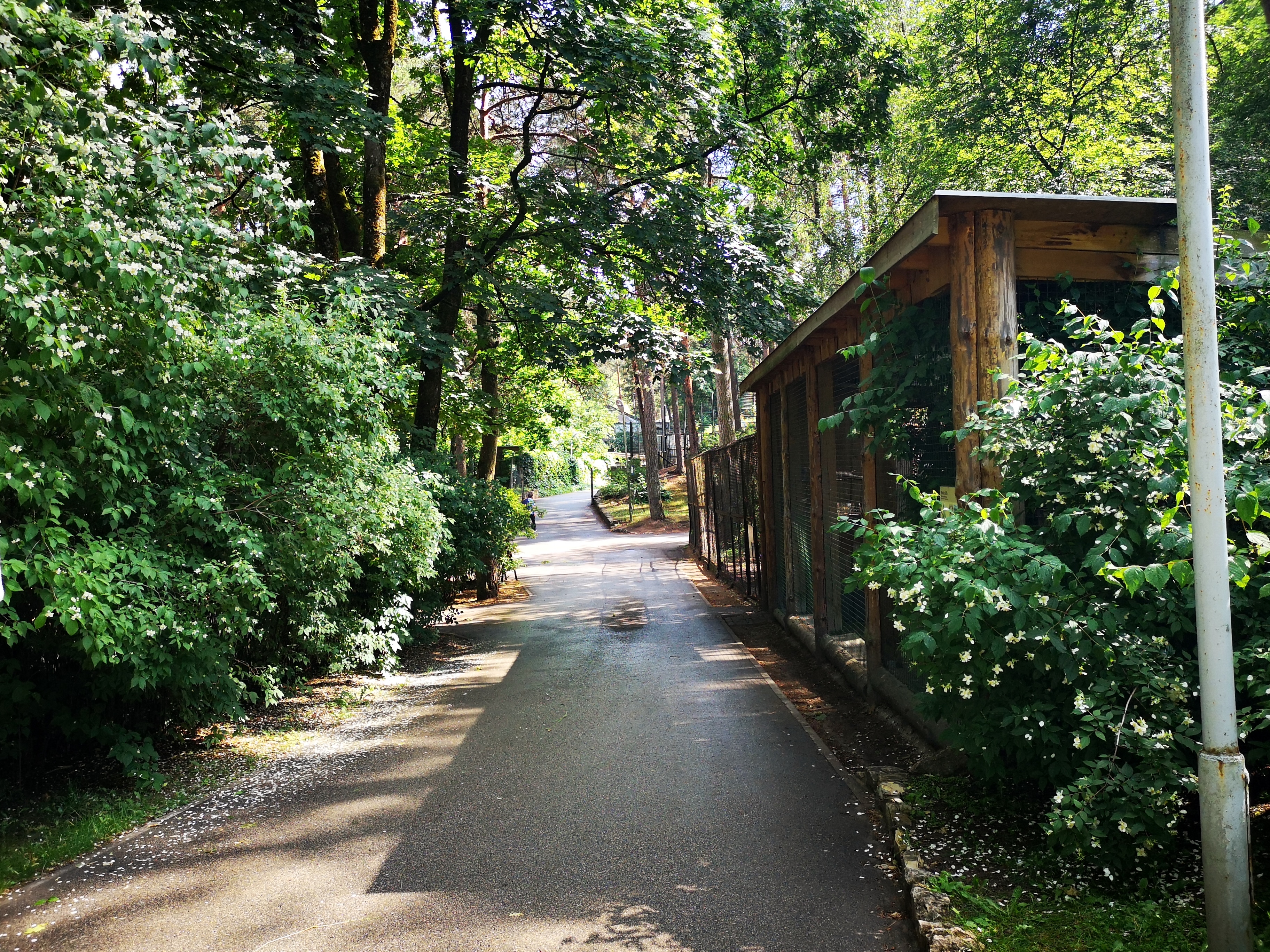
















 Our Wonderful Green Future
Leave a comment